
Last updated August 28, 2026
Free in-home measure and quote - PGT, CGI and CWS impact lines compared on your actual openings, style by style
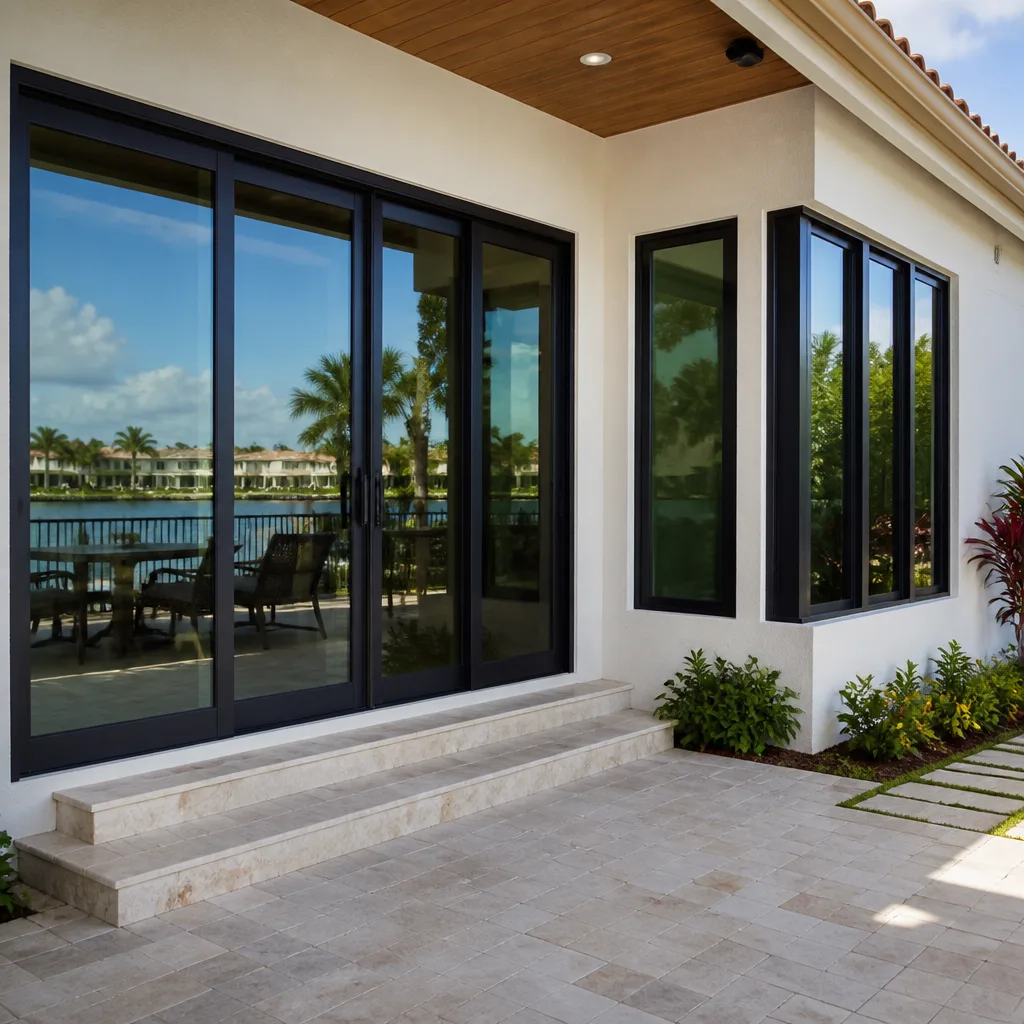

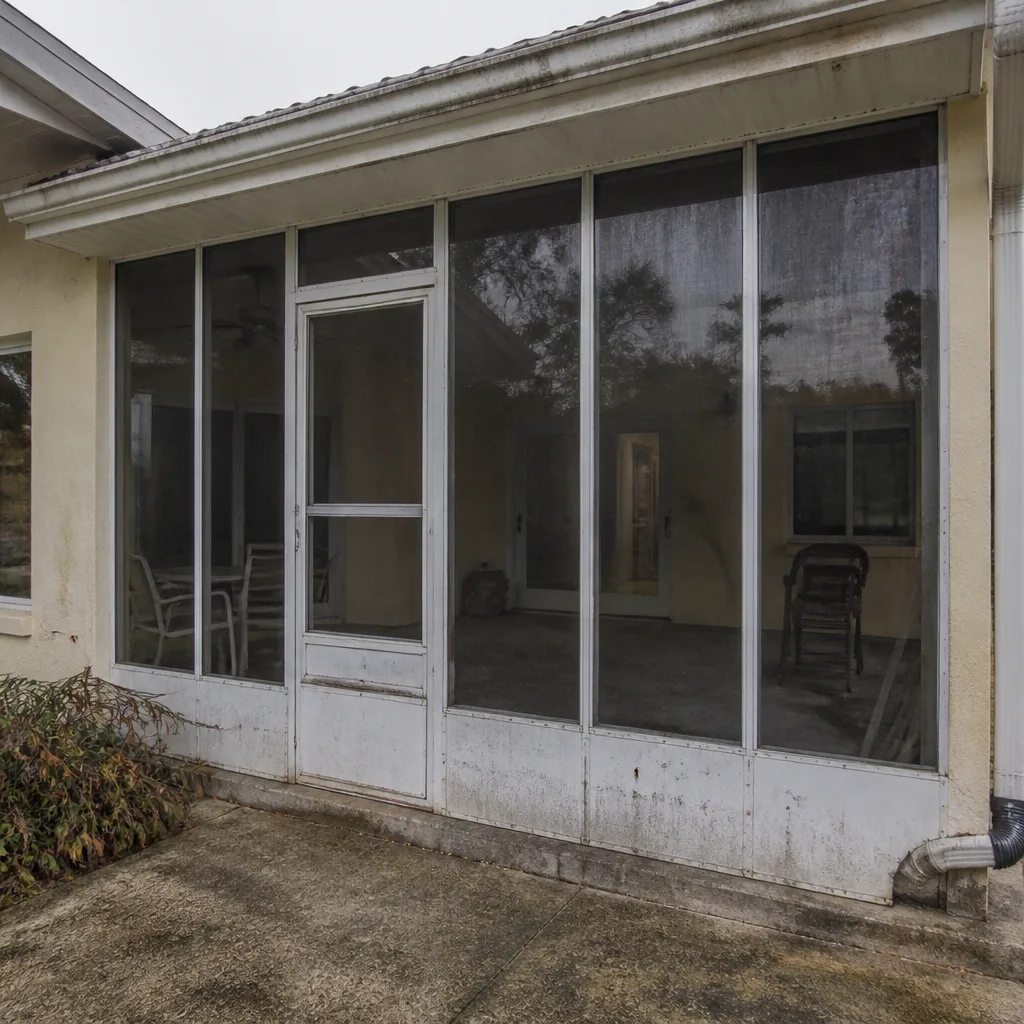 Before
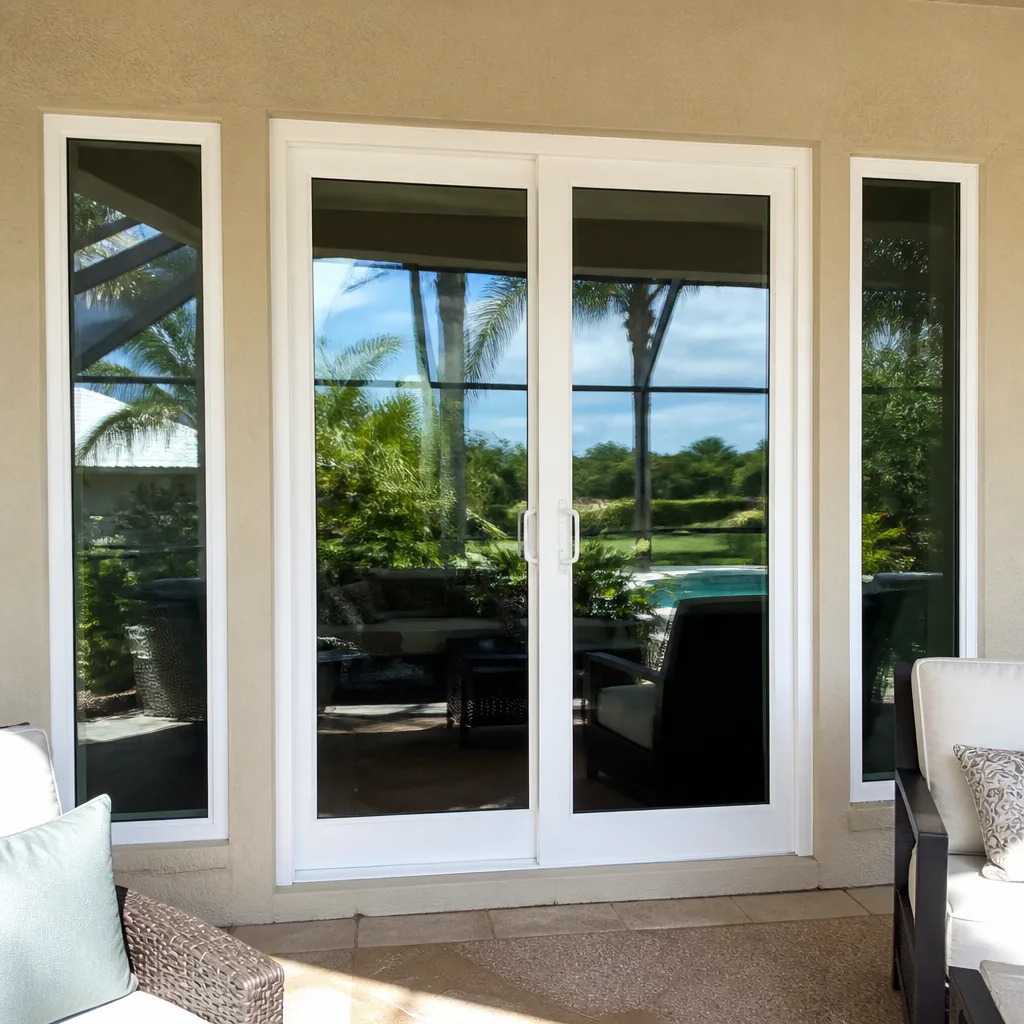 After
After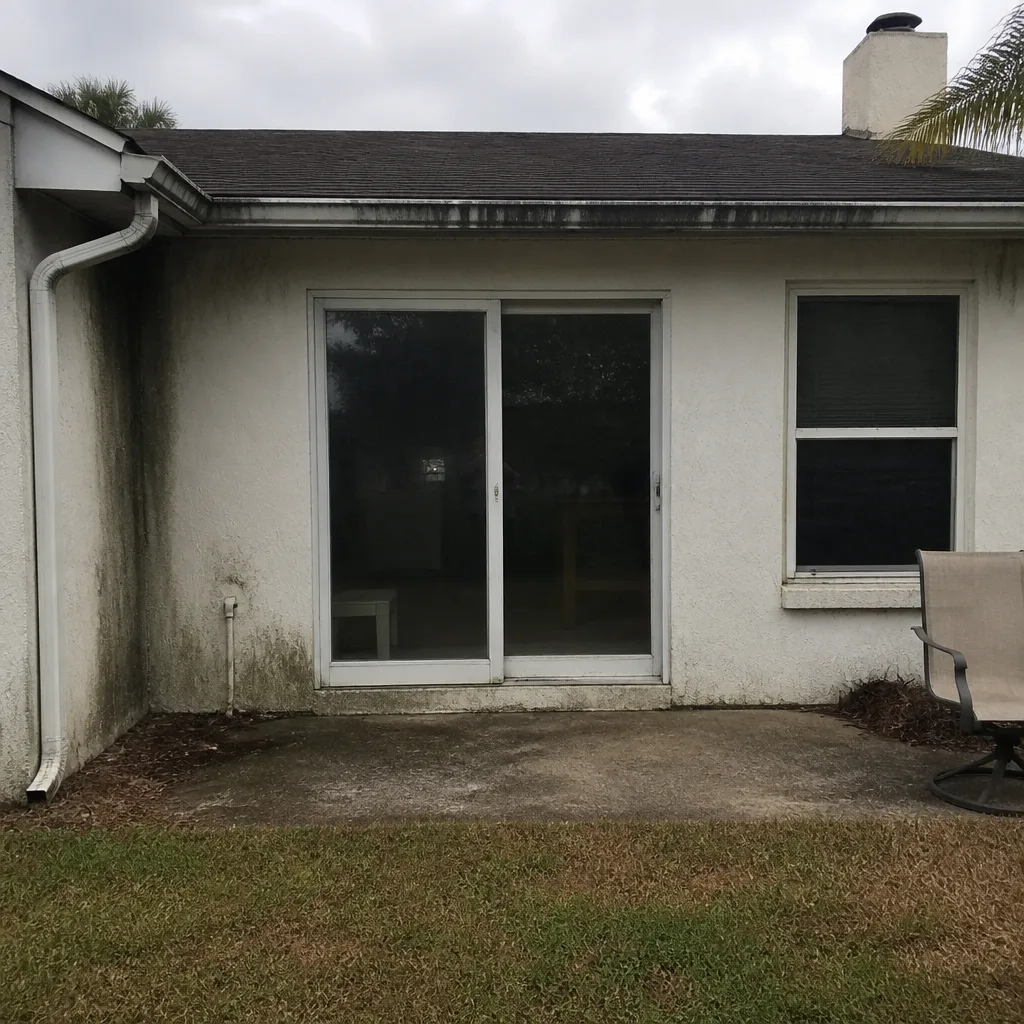 Before
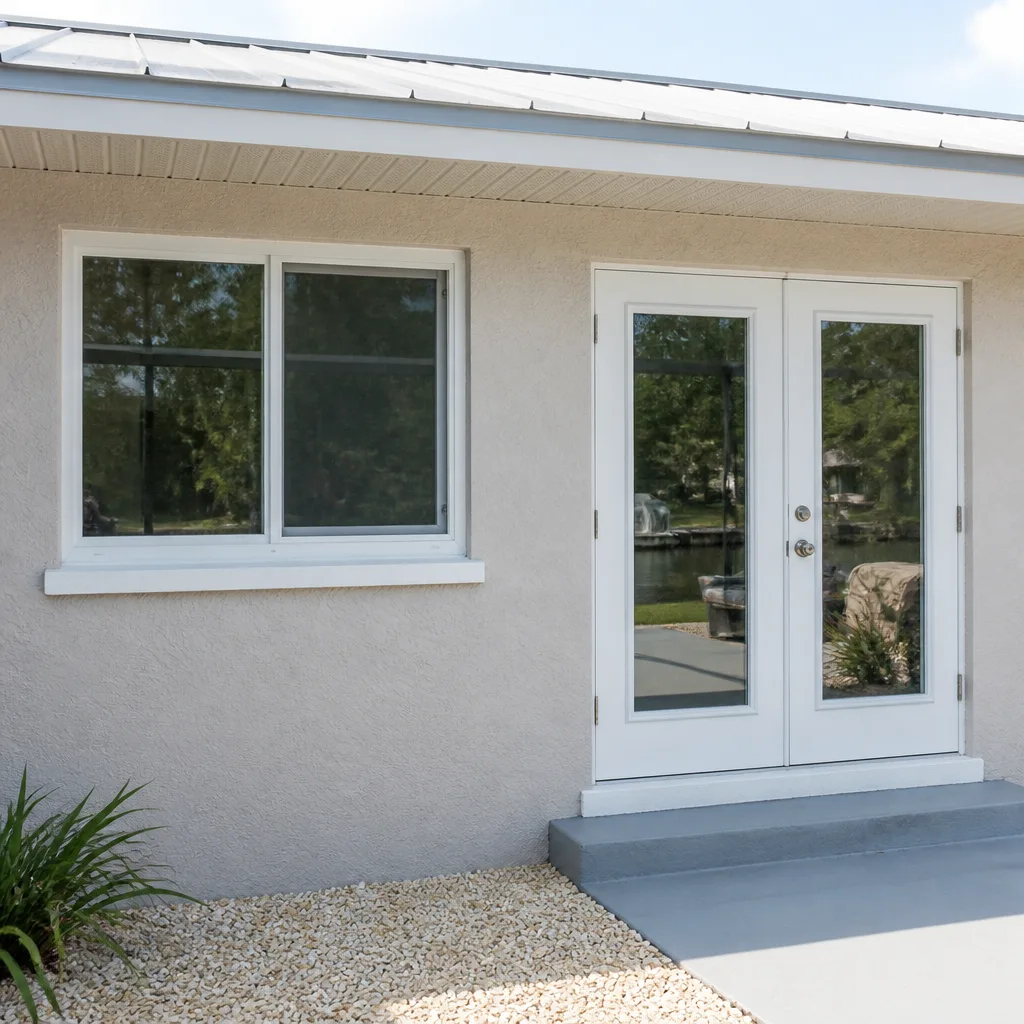 After
After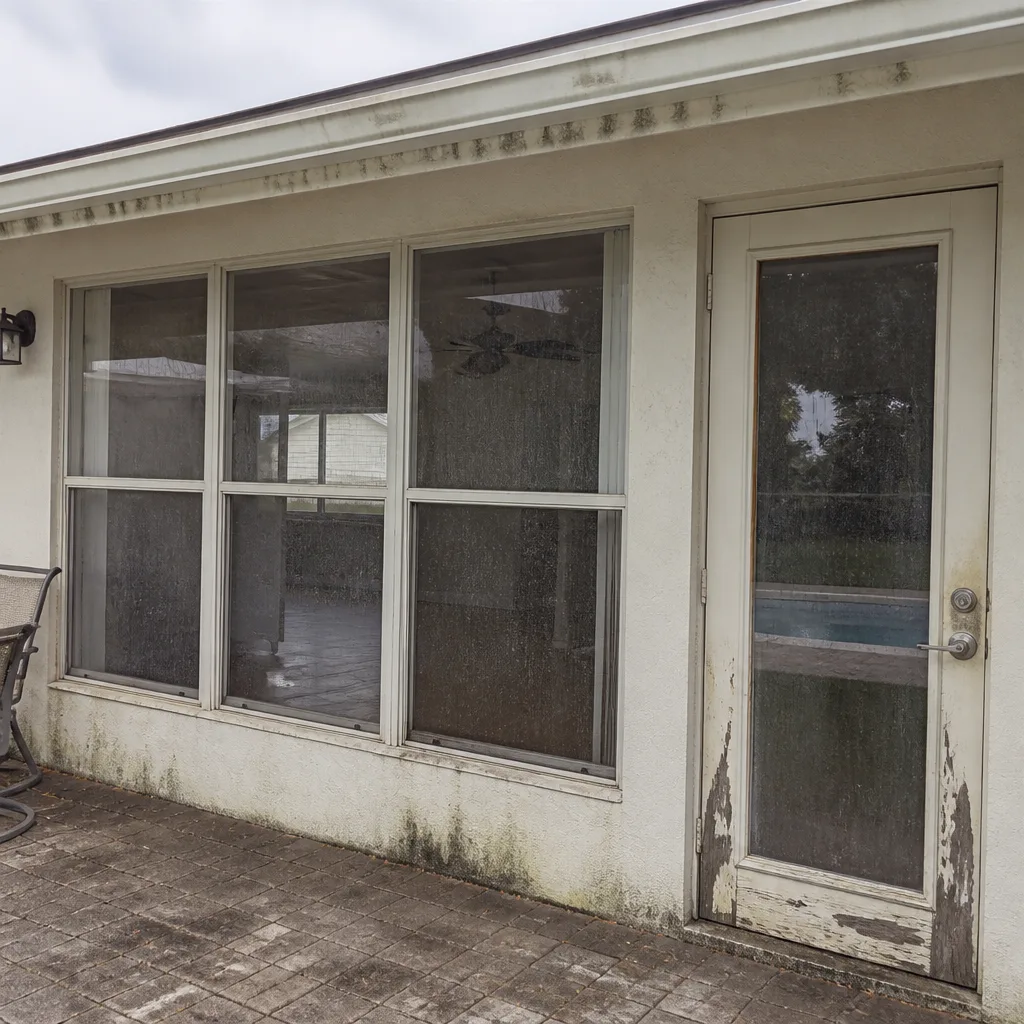 Before
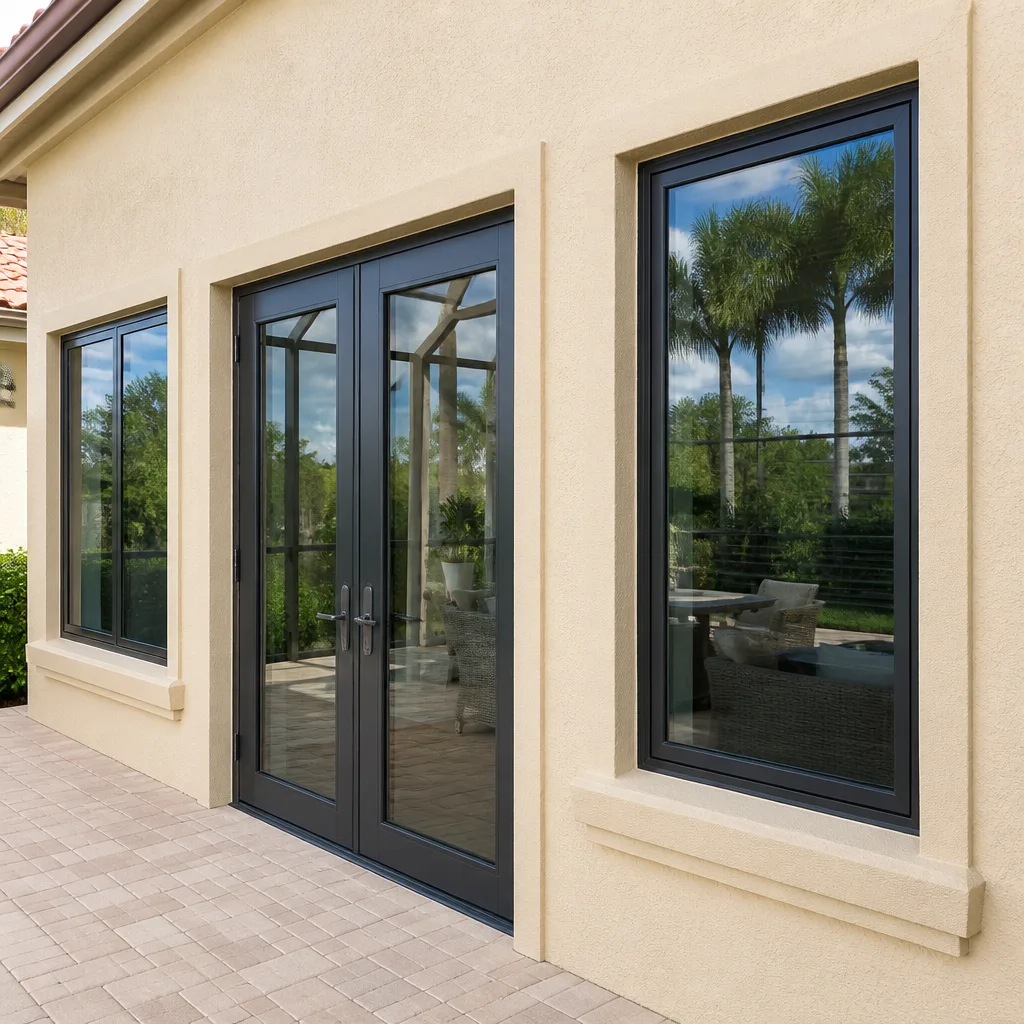 After
AfterHow to Hire a Windows & Doors Contractor in Fort Myers: A Step-by-Step Guide
Florida’s Department of Business and Professional Regulation suspended or revoked hundreds of contractor licenses in the two years following Hurricane Ian. Many of those contractors had already been paid in full by Fort Myers homeowners who never saw a finished installation. This guide exists so you don’t join that list. You’ll learn the exact questions to ask, the documents to demand, and the red flags that send you walking, before a single dollar changes hands.
Quick Answer
Hiring a windows and doors contractor in Fort Myers comes down to four non-negotiables: verify their Florida DBPR license is active and covers window and door work specifically, confirm they pull their own permits in Lee County, get every warranty and price in writing before work starts, and never sign anything pushed by a door-knocker promising storm-season speed. A legitimate local contractor will hand you their license number, published address, and a written contract without hesitation. If they won’t, you’re not looking at a contractor. You’re looking at a problem with a clipboard.
Table of Contents
- Step 1: Check the Florida DBPR License Before Anything Else
- Step 2: Ask the Permit Question and Listen Carefully
- Step 3: Separate Manufacturer Warranties from Installation Warranties
- Step 4: Know What a Legal Florida Contract Must Include
- Step 5: Spot the Post-Storm Red Flags Before They Cost You
- Step 6: Compare Estimates the Right Way
- Common Mistakes to Avoid
- When to Call a Professional
- Frequently Asked Questions
- The Bottom Line
Step 1: Check the Florida DBPR License Before Anything Else
The Florida Department of Business and Professional Regulation (DBPR) maintains a free, public license lookup tool at myfloridalicense.com. This is your first stop, no exceptions. A contractor’s license number should be printed on their business card, their truck, and their estimate. If it’s not, that’s already a red flag. If it is, verify it yourself anyway.
Here’s what to check on the DBPR site:
- License status is “Active.” Not “Inactive,” not “Delinquent,” not “Suspended.” Active means they’ve met continuing education requirements and carry the required insurance.
- The classification covers windows and doors. This is the part most homeowners miss. A general contractor license is not automatically a window and door license. Look for classifications like “Certified Building Contractor,” “Registered Building Contractor,” “Certified Residential Contractor,” or a specialty license that explicitly includes window and door installation. A roofing license does not cover window replacements.
- The business name on the license matches the business name on your estimate. If the estimator says they work for ABC Construction but the license is under XYZ Holdings, ask why. A shell company structure is how underinsured operators dodge liability.
- The qualifying agent matters. The license holder is the person legally responsible for the work. If that person isn’t the one signing your contract, you need a clear paper trail connecting them to your job.
In Fort Myers, we’ve seen homeowners get burned by contractors licensed in Alabama, Georgia, or even Puerto Rico, who show up after a storm with paperwork that doesn’t hold up under Florida law. A Florida DBPR license means the contractor has passed Florida-specific exams, carries Florida-required insurance, and answers to Florida regulators. Out-of-state licenses don’t transfer, and “we’re in the process of getting licensed” is a sentence that should end the conversation immediately.
Ed Winslow publishes his license number and address on every estimate because there’s nothing to hide. When you call (239) 453-7751, a live person answers, and that person can tell you exactly where to find our license information. If a contractor gets defensive when you ask for a license number, you’ve learned everything you need to know.
Step 2: Ask the Permit Question and Listen Carefully
Lee County requires permits for window and door replacement, period. This is not a suggestion, and it’s not a “nice to have.” It’s the law. Impact windows and exterior doors must be permitted and inspected so the county can verify the installation meets Florida Building Code requirements, including the High Velocity Hurricane Zone standards that apply to Fort Myers and coastal Lee County.
The permit tells you three things about a contractor. First, they’re willing to let an independent inspector review their work. Second, they’re not hiding anything. Third, they’re licensed well enough to pull the permit under their own name. That last point matters more than most people realize.
Questions to ask when permits come up:
- “Will you pull the permit under your license, or do I have to pull it as the homeowner?” If they say you should pull it, walk away. Homeowner-pulled permits shift liability onto you and are a classic workaround for unlicensed crews.
- “Will you schedule the inspections, or is that my job?” A legitimate contractor handles this. It’s standard practice.
- “What happens if the inspection fails?” The answer should be some version of: we fix it and reschedule the inspection at our cost. If they hedge, keep looking.
- “Is the permit fee included in my estimate?” It should be a line item. If it’s not there at all, that’s a hidden cost waiting to appear.
We pull every permit under the Winslow Windows & Doors license and we stand there when the inspector walks through. That’s how it works when the owner’s name is on the door. Any contractor who suggests skipping the permit in Fort Myers to “save you money” is actually saving themselves time and shifting risk onto your insurance policy. If an unpermitted installation fails during a storm, your insurer has grounds to deny the claim.
This is one of the core differences between a local operation and a transient crew. We’ve been serving Fort Myers since 2011, and we know the Lee County inspectors by name. A crew from three states away doesn’t plan to be here when the inspection happens, which is exactly why they don’t want permits in the first place.
Step 3: Separate Manufacturer Warranties from Installation Warranties
Two different warranties protect two different things, and a surprising number of contractors blur them until the first problem shows up. Then the finger-pointing starts.
A manufacturer warranty covers defects in the window or door product itself: failed seals, warped frames, glass defects, hardware failures. PGT, CGI, CWS, and ES Windows all offer manufacturer warranties on their products, but the terms vary by product line, and the warranty is only valid if the product was installed by an authorized dealer. A homeowner who buys windows through an unauthorized reseller may find the manufacturer warranty voided before the first hurricane season.
An installation warranty covers the labor: leaks around the frame, improper flashing, doors that don’t close square, windows that rattle in the wind because they weren’t anchored correctly. This warranty comes from the contractor, not the manufacturer, and it’s only worth the paper it’s printed on if the contractor is still in business when you need them.
Here’s the critical Fort Myers specific point: in coastal zones, installation failures are more common and more destructive than product failures. A properly manufactured impact window installed with sloppy flashing will leak. It will rot the opening. It will fail when the wind pressure builds. The product warranty won’t help you because the product was fine. The installation warranty is what saves you, and that’s why you need the contractor’s warranty in writing, with their name, license number, and a clear description of what’s covered and for how long. For more on protecting your investment, see our Impact Windows Maintenance Checklist for Fort Myers Homeowners.
Three questions every Fort Myers homeowner should ask:
- “Do you have written authorization from the manufacturer to install this brand?” If you’re buying PGT or CGI windows, the contractor should be on the manufacturer’s dealer list. Ask to see something that confirms it.
- “Is your installation warranty transferable if I sell the house?” Good warranties are. It’s a selling point in Fort Myers real estate listings.
- “What’s excluded from the installation warranty?” Every warranty has exclusions. A contractor who can articulate theirs clearly is more trustworthy than one who says “everything’s covered forever.”
Winslow Windows & Doors is an authorized installer for PGT, CGI, CWS, ES Windows, and several other premium brands. That authorization matters because it means the manufacturer has vetted our installation practices and stands behind our workmanship. Combined with our 36500-Day Done Right Promise if it’s not done right, we make it right, you get coverage from both directions: the product and the people who put it in.
Step 4: Know What a Legal Florida Contract Must Include
Florida Statute 489.126 is the law that governs residential construction contracts, and it spells out specific requirements that many sloppy contractors ignore. If the contract in front of you doesn’t include these elements, it’s not a legal contract for a residential project in Fort Myers. It’s a piece of paper with numbers on it.
Under Florida law, a residential contract must include:
- Contractor’s full name, address, and license number. Not a PO box. Not a “team name.” A physical address where you could serve a lawsuit if it came to that.
- A detailed scope of work. Specific products, specific sizes, specific quantities, specific locations. “Replace windows per estimate” is not a scope of work.
- Estimated start and completion dates. Florida law allows weather delays, but a contract with no dates is a contract with no obligation.
- Total contract price and payment schedule. Florida law caps the deposit a contractor can collect before work begins. The deposit cannot exceed 10% of the total contract price for most residential projects unless the contractor complies with specific bonding or escrow requirements. A contractor demanding 50% down is violating Florida law.
- A notice of your right to cancel within three business days. This is the federal Cooling-Off Rule. If the contract was signed at your home, you have three business days to cancel without penalty. The contractor must provide written notice of this right.
- Warranty language in writing. Both manufacturer and installation warranties should be attached or referenced, not promised verbally.
- Permit and inspection responsibility. The contract should state who pulls permits, who pays for them, and who schedules inspections.
- Door-knockers with “leftover materials from a job down the street.” This is a classic solicitation script. There’s no leftover inventory. There’s a crew that needs work and doesn’t have a local reputation to protect.
- Unusually fast timelines. “We can start tomorrow.” In the middle of storm season, with everyone in Fort Myers trying to get windows replaced. Legitimate contractors are booked out. A crew with instant availability is a crew with no backlog because no one local will hire them.
- Pressure to sign before an inspection. “The price is only good if you sign today.” Storm chasers work on volume. They need your signature before you have time to check their license, call references, or read the contract. The moment urgency is created artificially, your answer should be no.
- Out-of-state plates, local phone numbers. They’ll set up a Google Voice number with a 239 area code and rent a storage unit to look established. Check the license. Check the address. A Chamber of Commerce membership is not a license.
- Demanding payment in cash or Venmo. Legitimate contractors invoice. Storm chasers want untraceable money and they want it fast.
- No local references. Ask for three Fort Myers customers from the last 12 months. Not “projects we’ve done.” Customers who will answer the phone. If they can’t produce them, they don’t have them.
- Product-for-product, not price-for-price. A PGT impact window and an off-brand impact window are not the same thing. Compare like products: same brand, same series, same glass package, same energy rating. If the estimate doesn’t specify the exact product, it’s not comparable to anything.
- Look at the line items. Does the estimate include permit fees? Flashing? Trim and caulk? Disposal of the old windows? Interior paint repair? These are separate charges on every legitimate invoice, and the cheap estimate usually just leaves them off. You’ll see them on the final bill instead.
- Check the installation method. Are they removing the old frame or inserting new windows into the existing frame? Insertion is faster and cheaper but can leave concealed rot and moisture damage untouched. In Fort Myers humidity, that’s a recipe for problems. Full frame-out replacement costs more and protects more. Make sure both estimates describe the same method.
- Verify the fastener schedule. Impact windows in a High Velocity Hurricane Zone must be anchored per the manufacturer’s engineering specifications. The county inspector will check. A contractor who can’t tell you how many fasteners per side and what type is guessing, and guesswork doesn’t pass inspection.
- Ask about the crew. Are the installers employees or subcontractors? Subcontracting is legal and common, but you need to know who’s doing the work and whether they’re covered under the contractor’s insurance. If the estimate doesn’t list who’s installing, ask.
- Signing with the first contractor who shows up. Door-knockers are effective because they’re convenient. Convenience is not a qualification. In the two years after Hurricane Ian, the Lee County Sheriff’s Office logged hundreds of contractor fraud complaints, and the majority started with a knock on the door.
- Skimming the contract. Florida law protects you only if you exercise the protections. Read every line before signing. Ask about anything you don’t understand. A contractor who rushes you through the contract is rushing you past something.
- Paying in cash. Cash payments are untraceable and create zero paper trail if the contractor walks. Always pay by check or card, and always get a receipt.
- Letting the contractor pull permits as “the homeowner.” This shifts legal liability for the project onto you, and inspectors know exactly what it means when they see it. Don’t agree to it, no matter how much “money it saves.”
- Choosing based on price alone. The cheapest estimate is often the most expensive one you’ll ever sign, because it leaves out everything you’ll pay for later. In Fort Myers, cut-rate installations show up as leaks and wind failures within two storm seasons.
- Ignoring the warranty fine print. Manufacturer warranties and installation warranties are separate documents with separate terms. Get both in writing, read both, and keep both in a file you can find in five years.
- Skipping the reference check. Three phone calls to previous Fort Myers customers will tell you more about a contractor than any sales pitch. If they won’t provide references, they’re telling you something.
A legitimate Fort Myers contractor won’t blink at any of this. They’ve seen the same statute you’re about to cite. If the person across the table gets agitated about “all the paperwork” or says “we don’t really do contracts for jobs this size,” that’s your cue to thank them for their time and close the door.
We hand every customer a written contract with a line-item scope of work, a fixed price, and our Winslow Windows & Doors home warranty language printed in black and white. No change orders. No surprises on the invoice. That’s the whole point of upfront pricing.
Step 5: Spot the Post-Storm Red Flags Before They Cost You
Fort Myers has a particular vulnerability that inland cities don’t share: storm-chasing contractors follow hurricanes like gulls follow a trawler. They arrive fast, quote low, collect deposits, and vanish before the drywall dust settles. After Hurricane Ian, the Lee County contractor fraud unit was overwhelmed with complaints from homeowners who had paid for work that was never completed, or completed so poorly it had to be torn out and redone at full cost.
Here’s what a transient storm-chaser looks like in Fort Myers:
We’ve been in Fort Myers since 2011. Our technicians are background-checked, uniformed, and arrive in clearly marked vehicles. You know who’s at your door before the truck pulls up. That’s not a luxury; it’s a minimum standard that should apply to every contractor you let near your home. If a crew can’t meet it, they don’t deserve your deposit.
Step 6: Compare Estimates the Right Way
Comparing window and door estimates is where Fort Myers homeowners lose the most money. Everyone knows to get three quotes. Almost no one knows how to read them against each other. A $1,200 difference between two estimates tells you nothing until you know what’s included in each.
Here’s the comparison framework that actually works:
Winslow Windows & Doors gives every estimate as a written document with no trip charge inside Lee County. We also offer a free second opinion on any written estimate from another contractor. That’s not a gimmick. That’s a standing offer we’ve kept for years because we know our prices hold up under scrutiny. Call (239) 453-7751 and bring us someone else’s numbers. We’ll tell you what’s missing and what’s fair.
For more on what specific window projects look like in this market, see our guides on Window Installation in Fort Myers and Window Replacement in Fort Myers. If impact-rated protection is your priority, our page on Impact Windows in Fort Myers covers the product selection process in detail.
Common Mistakes to Avoid
When to Call a Professional
Window and door installation is not a weekend project. Impact-rated products in a High Velocity Hurricane Zone must be installed to engineering specifications, and the county inspector will hold the work to code. If your windows are more than 15 years old, if you see daylight around the frames, if doors stick in the humidity, or if you’re preparing for hurricane season with anything less than code-compliant protection, it’s time to bring in a licensed contractor. Don’t wait until the supply houses are backed up three months before storm season. The time to replace is now, when crews are available and inspectors aren’t overwhelmed. For year-round guidance, read our Seasonal Windows & Doors Care for Fort Myers: Year-Round Homeowner’s Guide. Winslow Windows & Doors offers free estimates in Fort Myers. Call (239) 453-7751 and we’ll send a background-checked, uniformed professional to look at what you’ve got.
Frequently Asked Questions
Impact window replacement in Fort Myers typically runs $900 to $1,800 per window installed, depending on size, brand, and frame condition. Entry doors start around $1,500 and can reach $4,000 for impact-rated fiberglass or steel units. For a deeper dive, see our Windows & Doors Cost Breakdown: The Fort Myers Homeowner’s Reference for 2026. These are installed prices including permit fees, flashing, and disposal for standard openings. Call (239) 453-7751 for an exact quote on your home; estimates are free and there’s no trip charge in Lee County.
Both are code-approved in Lee County, but impact windows protect 24/7 without needing a homeowner to deploy anything before a storm, and they add resale value while cutting energy bills. Shutters cost less upfront but require manual installation before every storm and do nothing for daily energy efficiency or UV protection. The right answer depends on your budget and how often you’re home when storms approach.
A typical single-family home window and door replacement takes 3 to 5 working days once the products arrive, but ordering impact-rated products from PGT or CGI can take 6 to 12 weeks depending on the season and product line. Smart Fort Myers homeowners order in the spring to be installed well before hurricane season peaks.
Not with a written contract that includes a fixed scope of work. Florida law gives you the right to a contract that specifies the total price, and a legitimate contractor honors it. Change orders are only appropriate if you ask for something new: a different product, an additional opening, repair work discovered behind the wall. A contractor who starts with a low number and adds “unexpected costs” at every turn is not complying with the contract structure Florida law requires. Call (239) 453-7751 if you want a second opinion on any estimate you’ve received.
We pull every permit under our own license for every job in Fort Myers, and we schedule the inspections ourselves. That’s standard practice for any legitimate Lee County contractor. If a contractor asks you to pull the permit as the homeowner, treat it as a disqualifier, not a negotiation point.
A handyman can legally handle minor repairs under Florida’s handyman exemption, but window and door replacement in Fort Myers requires a DBPR license because it’s structural work subject to building code and permit requirements. Insurance won’t cover damage from unlicensed work, and the county can order it torn out. When impact protection and hurricane integrity are on the line, hire the license holder every time.
The Bottom Line
Hiring a windows and doors contractor in Fort Myers is a process of verification, not trust. You verify the DBPR license, confirm the permit process, demand written warranties, compare line-item estimates, and refuse to be rushed by anyone who knocks on your door with a deal. A local contractor with a published address and a real reputation does all of this without being asked. A transient crew collapses under the first hard question. The difference is the difference between a home that’s protected for decades and a deposit that’s gone in a week. We’re the one down the road. Call (239) 453-7751 for your free estimate, and we’ll send someone in uniform with a license number and a written quote. For more guides & resources, visit our blog. Ed’s name is on the door, and on every job we do.
Written by Ed Winslow, Owner at Winslow Windows & Doors, serving Fort Myers since 2011.
Six Reasons Homeowners Choose Winslow Windows & Doors
Impact systems engineered to design pressures up to +/-100, matched to your wind zone - your openings hold when the storm arrives.
Low-E insulated impact glass from our manufacturer lines commonly cuts monthly cooling bills 20-30%.
Laminated impact glass shuts out up to 40% of outside noise - traffic, neighbors, weather.
Monitoring services run $30-90 a month. Laminated impact glass resists forced entry around the clock, with no subscription.
Florida homeowners average around 25% savings on the windstorm portion of their policy after protecting every opening - some homes qualify for more.
A full impact package upgrades curb appeal, buyer confidence and appraised value in one project.