
Last updated August 28, 2026
Free in-home measure and quote - PGT, CGI and CWS impact lines compared on your actual openings, style by style
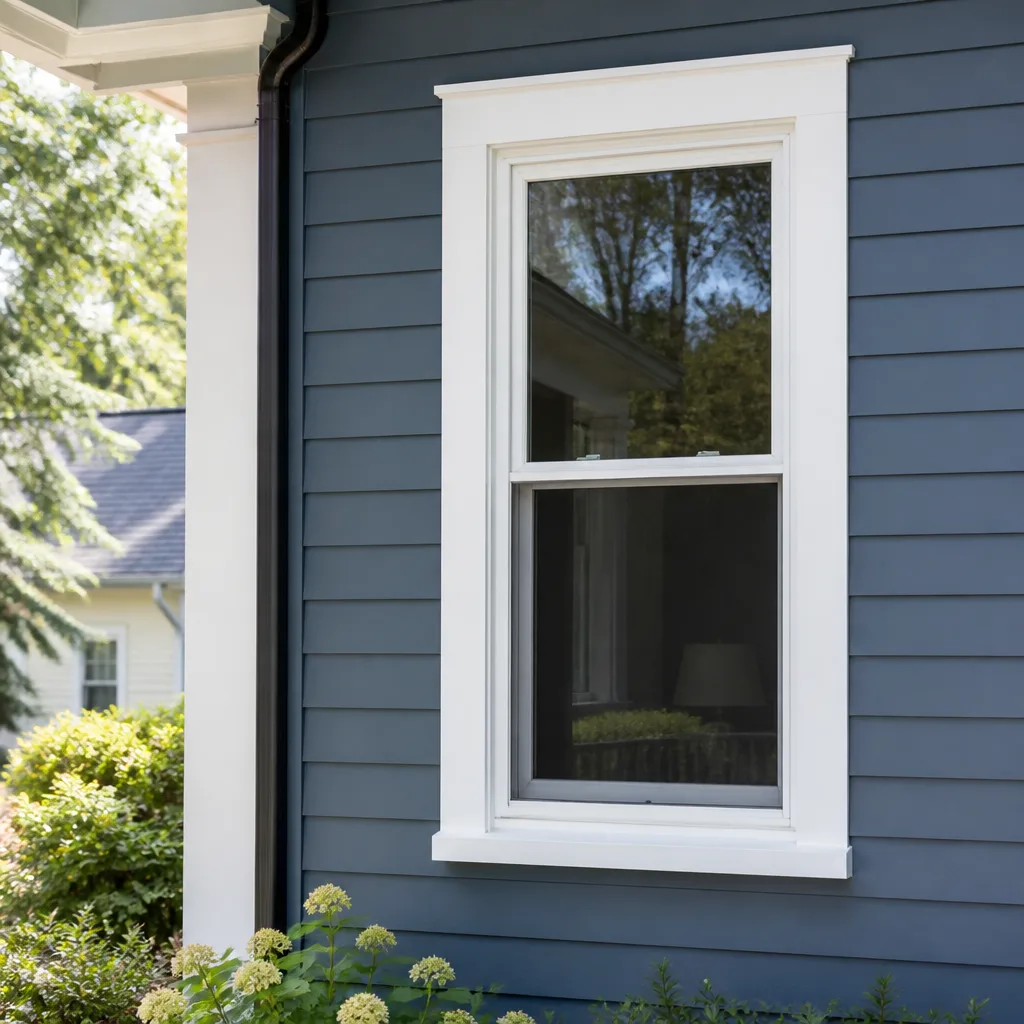

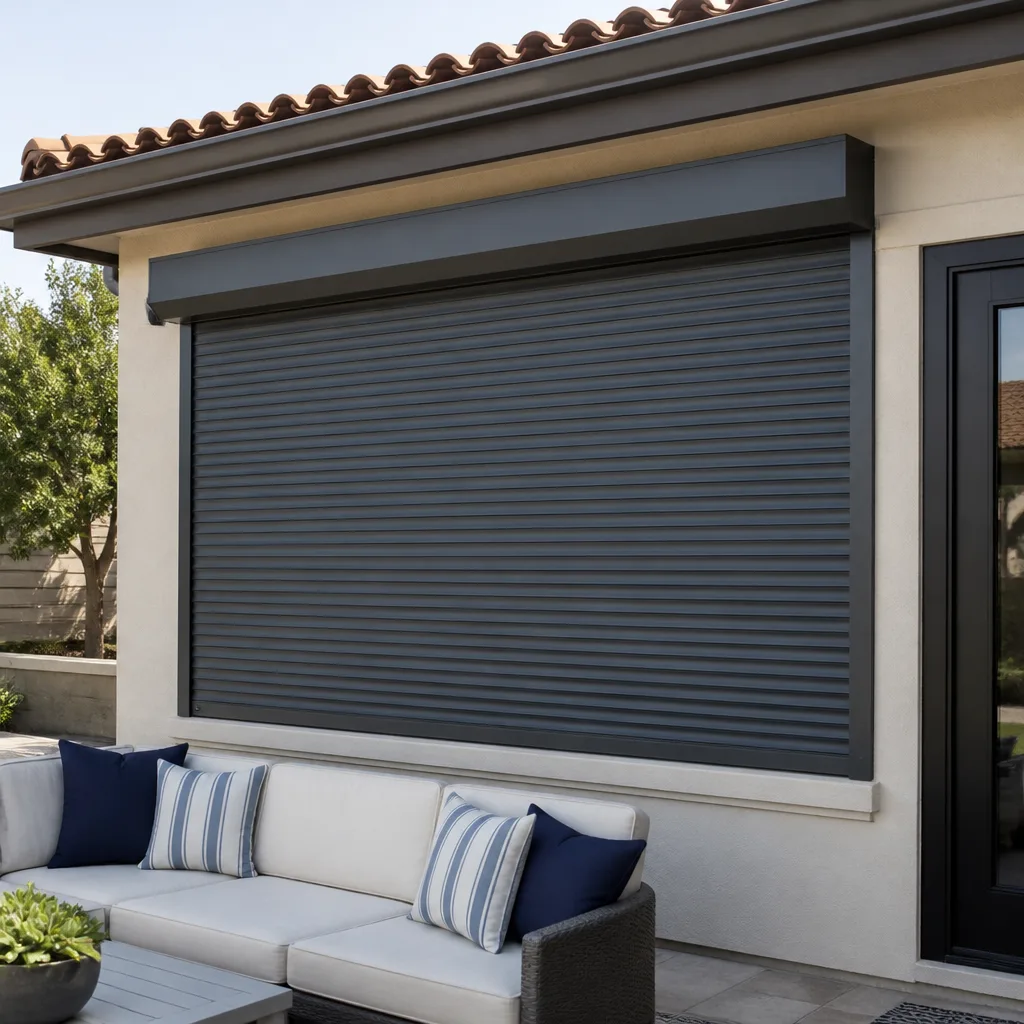







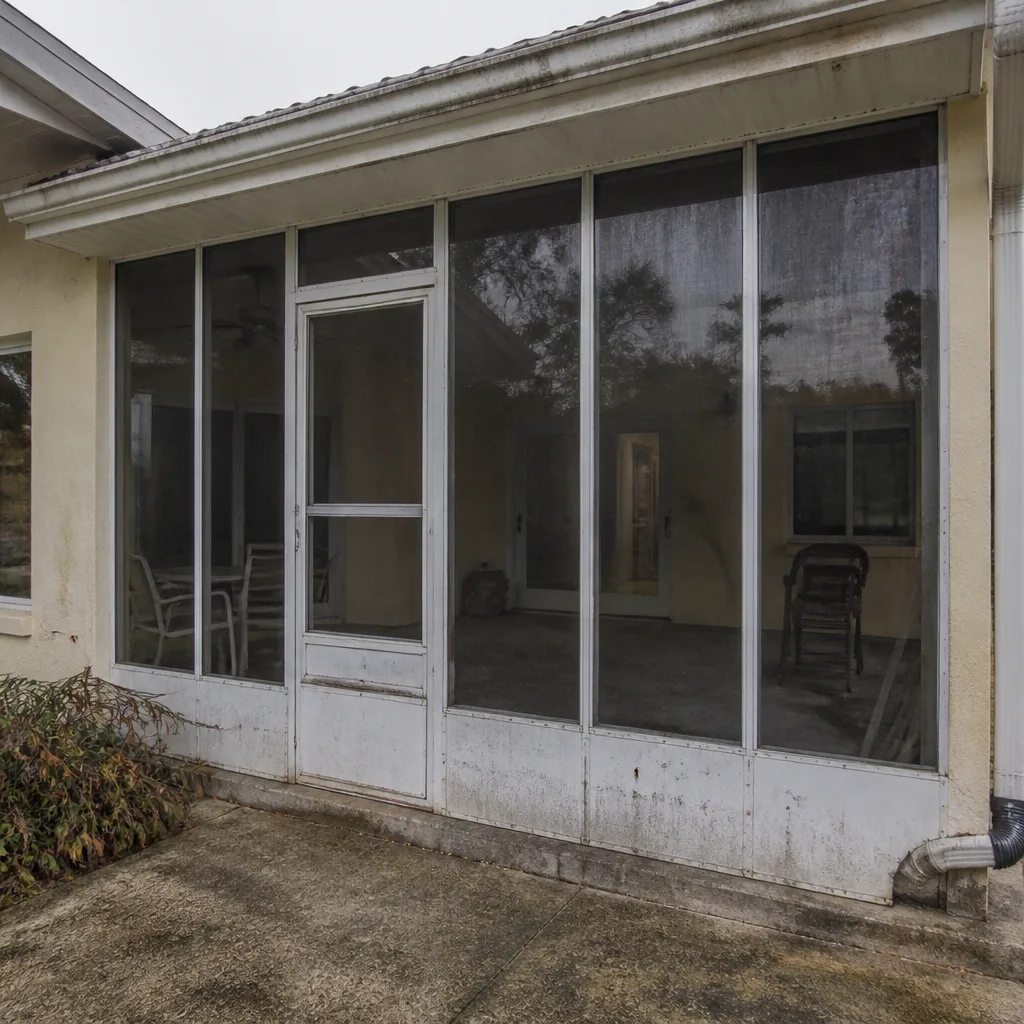 Before
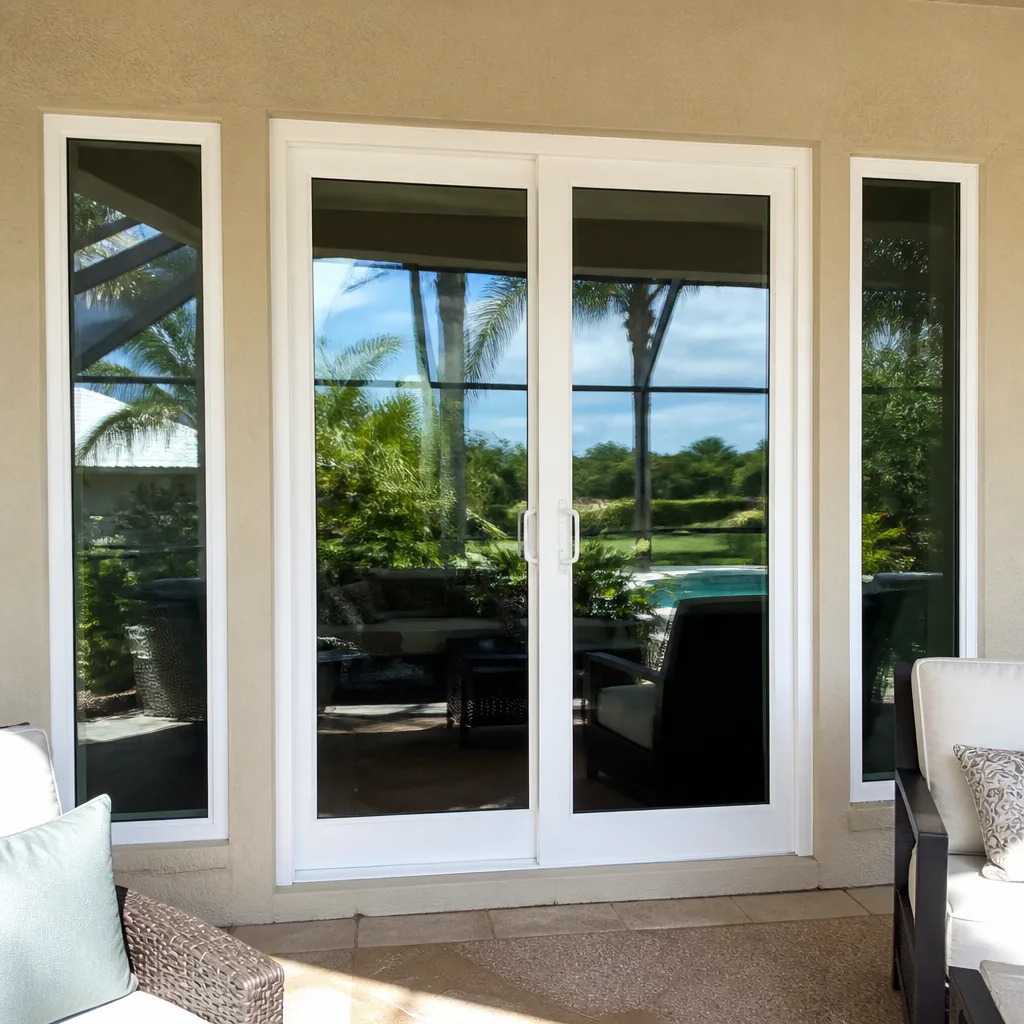 After
After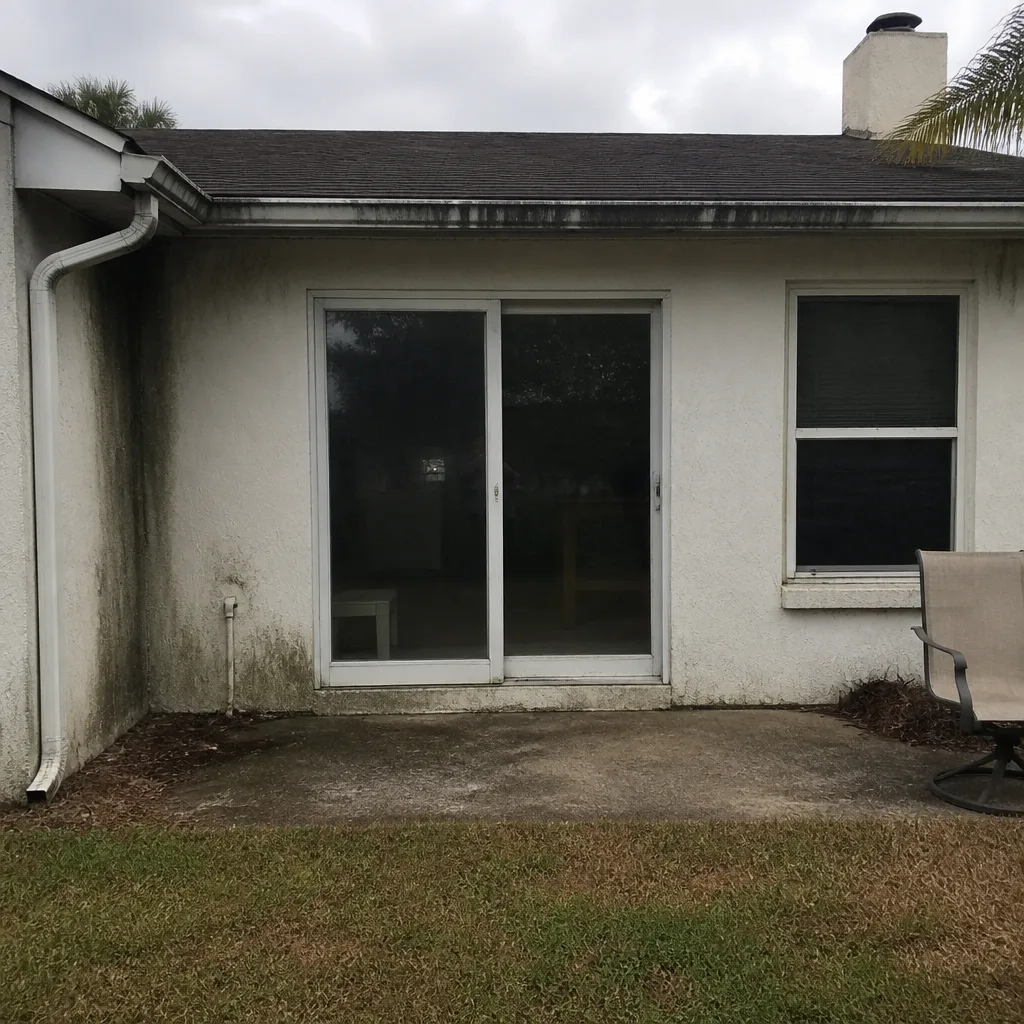 Before
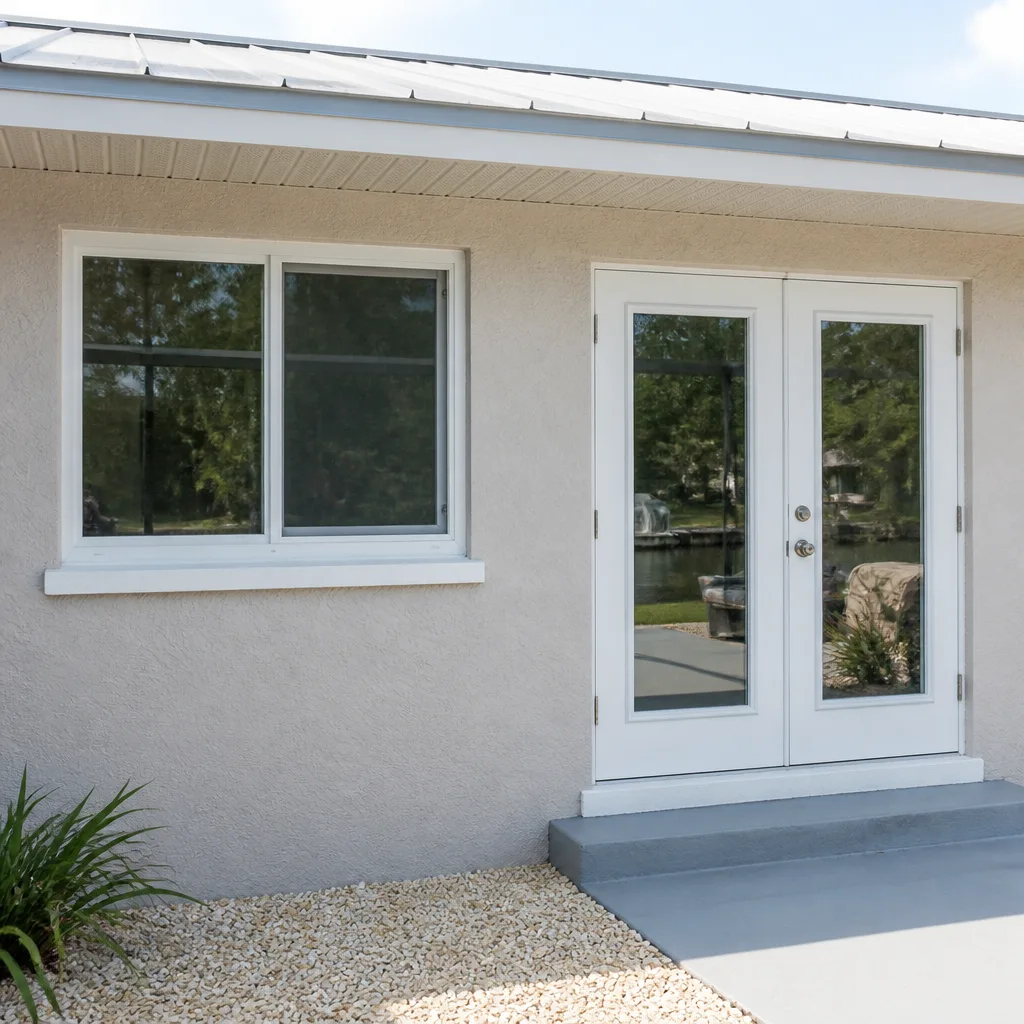 After
After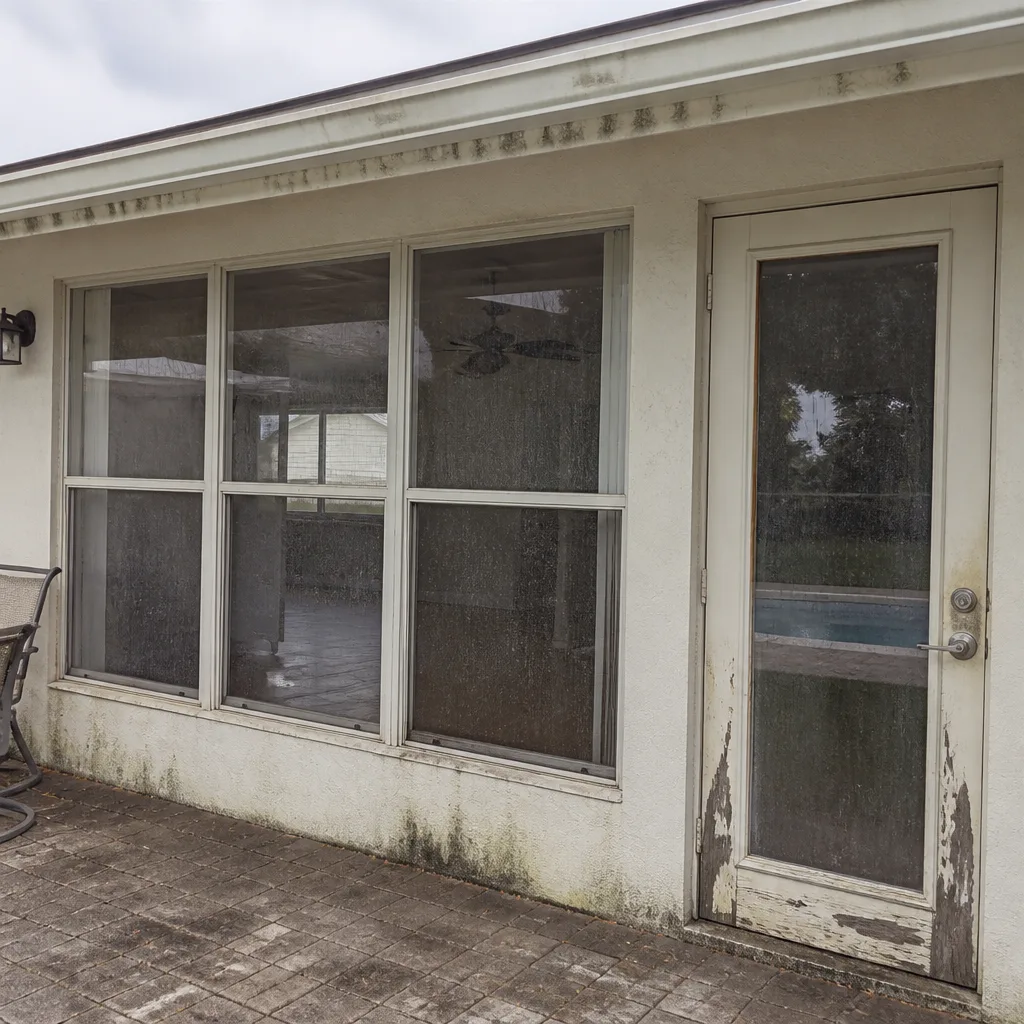 Before
 After
AfterImpact Windows Maintenance Checklist for Fort Myers Homeowners
Salt spray from a single Gulf storm can begin corroding hardware and degrading seals within weeks if it isn’t cleaned off. Yet most Fort Myers homeowners wash their cars more often than they wipe down their impact windows. That’s a costly mismatch. A set of PGT or CGI impact windows represents a $15,000 to $40,000 investment, and the difference between a system that performs for 30 years and one that fails in 12 often comes down to a maintenance routine that takes less than an hour per month. This guide walks through exactly what to clean, what to inspect, what to lubricate, and when to stop doing it yourself and pick up the phone.
Quick Answer
The core of impact window maintenance in Fort Myers comes down to four recurring tasks: wash the glass and frames with mild soap and water every 4 to 6 weeks, clear weep holes after every significant rain, inspect and lubricate hardware twice a year, and check seals and glazing at the start and end of hurricane season. Use only non-abrasive, ammonia-free cleaners, never pressure-wash the assemblies, and call a professional if you see condensation between panes, cracked glazing, or hardware that binds even after lubrication.
Table of Contents
- The Right Way to Clean Impact Glass and Frames in Southwest Florida
- Cleaning Products That Quietly Damage Low-E Coatings and Laminated Glass
- Hardware Inspection and Lubrication for PGT and CGI Windows
- The Weep Hole Check: Fort Myers’ Most Overlooked Maintenance Task
- Seal and Glazing Inspection: Hurricane Season vs. Off-Season
- Salt Air, Humidity, and UV: What Fort Myers Does to Window Components
- Track and Roller Maintenance for Sliding Glass Doors
- A Seasonal Maintenance Schedule for Fort Myers Homes
The Right Way to Clean Impact Glass and Frames in Southwest Florida
Impact windows are built around laminated glass and heavy-duty aluminum or vinyl frames, but the surfaces still need regular attention in this climate. Fort Myers air carries salt, fine sand, pollen, and a steady load of UV radiation. Left on the surface, salt attracts moisture, and moisture is what starts corrosion on hardware and oxidation on frame finishes.
Here’s the cleaning sequence we recommend for most Fort Myers homes:
- Rinse first, always. Use a garden hose on a gentle spray setting to knock off loose salt and sand before any cloth touches the glass. Wiping grit across a dry surface is how micro-scratches happen, and on low-E coatings those scratches are permanent.
- Wash with mild dish soap and warm water. A few drops of Dawn or similar in a bucket is all you need. Use a soft microfiber cloth or a sponge made for automotive glass. Work top to bottom so dirty water doesn’t streak over areas you’ve already cleaned.
- Rinse thoroughly. Soap residue left on vinyl or aluminum frames can break down finishes over time. Don’t skip the second rinse.
- Dry with a clean microfiber towel. Fort Myers’ hard water leaves mineral spots quickly. Drying by hand prevents spotting and gives you a chance to feel for any roughness or pitting on the frame that would indicate early corrosion.
- Wipe down the frame exterior and interior. Most people clean the glass and ignore the frame. Salt and grime collect in corners, under hinges, and along the bottom rail. Those are exactly the places corrosion starts.
Frequency matters more than perfection. A quick monthly wipe-down of glass and frames is far better than a deep clean twice a year, because it removes salt before it has time to work on finishes and fasteners. For homes within a mile of the Caloosahatchee River or the Gulf, we suggest every 3 to 4 weeks during the summer storm season.
One note: if your home sits on a canal or within direct sight of the water in neighborhoods like Iona, McGregor, or San Carlos Island, you’re in a higher-salt zone. Homes further inland in Gateway or Lehigh Acres still get salt in the air during storms, just at a lower concentration. Adjust your cleaning cadence accordingly.
Cleaning Products That Quietly Damage Low-E Coatings and Laminated Glass
Most household glass cleaners are safe for ordinary annealed glass. Impact glass is not ordinary. The low-E coating applied to the interior surface of the outer pane is a microscopically thin metallic layer, and the laminated interlayer in impact-rated glass is a polymer film. Both react badly to certain chemicals that show up in common cleaning products.
Here’s what to keep away from impact windows:
- Ammonia-based glass cleaners. Windex and similar ammonia products can attack the edges of low-E coatings and cause visible clouding or peeling over time. This is especially true in warm, humid air, which is most of the year in Fort Myers.
- Anything labeled “abrasive” or “scrubbing.” Bon Ami, Comet, baking soda pastes, and scrub sponges all leave micro-scratches on glass. On low-E glass, those scratches accumulate and eventually look like haze you can’t clean off.
- Acidic cleaners, including vinegar solutions. Vinegar is a favorite DIY cleaner, but its acidity can etch aluminum frames and degrade gaskets over repeated use. It can also migrate to the edge of the glass where the laminate and coating sit.
- Razor blades or metal scrapers. Painters and window cleaners sometimes use razor blades on regular glass. On impact glass, a razor can cut into the low-E coating or scratch the laminate edge. Don’t do it.
- Pressure washers at close range. A pressure washer pointed at window frames or glass can force water past gaskets, fill the track, and damage the seal bead. If you pressure-wash your home’s exterior, stay at least 3 feet from any window or door opening, and never aim directly at the seam between glass and frame.
The safe list is short: mild dish soap, warm water, a soft cloth, and a gentle rinse. If you want a commercial product, look for one labeled specifically for coated or low-E glass. Spray it on the cloth, not directly on the glass, and wipe it off before it dries.
We’ve seen Fort Myers homeowners ruin a $2,000 window sash with a $4 bottle of generic glass cleaner. The damage usually shows up slowly, as a film that looks like hard-water spots but won’t wipe away. That film is the coating failing, and it’s not covered by most manufacturer warranties because it’s considered improper maintenance.
Hardware Inspection and Lubrication for PGT and CGI Windows
PGT and CGI are two of the most common impact window brands installed in Fort Myers, and their hardware is engineered to handle thousands of open-and-close cycles. But the hardware still needs attention in this environment. The combination of salt air and high humidity corrodes zinc and steel components, and the fine sand that blows around construction sites and coastal lots works its way into hinges and locks.
Here’s what to inspect and how to maintain it:
- Open every window fully twice a year. Most homeowners have windows they almost never operate. Hardware that sits unused for months seizes faster than hardware that’s moved regularly. At the start of hurricane season and again in the fall, cycle every window in the house open and closed at least twice, listening for grinding, popping, or resistance.
- Check all visible fasteners. Look at hinge screws, lock mounting screws, and handle set screws. In salt-heavy areas, stainless and coated fasteners can still show surface rust. A loose or corroded screw is a five-minute fix. Left alone, it creates play in the hardware, and play leads to sagging sashes and misaligned locks.
- Lubricate hinges, tracks, and lock mechanisms. Use a dry silicone spray or a white lithium grease in small amounts. Avoid WD-40 for anything but cleaning: its solvent carrier works well to flush out old grease and grime, but it evaporates and leaves almost no lasting lubrication. After flushing with WD-40, follow with a silicone or lithium application.
- Wipe away excess lubricant. Oil and grease attract dust and sand. In Fort Myers, within a few weeks a greasy hinge becomes a grinding paste that accelerates wear. Apply lubricant, work the hardware a few times to distribute it, then wipe the surface clean with a cloth.
- Check locking points. Close and lock each window, then press on the sash from the outside. If you feel movement, the lock isn’t seating fully. Impact windows rely on proper lock engagement to keep the sash rigid during a storm. Misaligned locks are often a simple adjustment on the keepers.
The specific hardware varies by brand. PGT’s casement and single-hung lines use different hinge designs than CGI’s. Most of what a homeowner needs to watch for is universal: visible corrosion, loose screws, stiffness in operation, and locks that don’t seat cleanly. If you find all four issues on multiple windows, that’s usually a sign that a broader hardware refresh is coming.
If you’d like us to look before you start lubricating, we’re happy to do that too. Winslow Windows & Doors has been working on PGT and CGI products in Fort Myers since 2011, and a quick assessment costs nothing.
The Weep Hole Check: Fort Myers’ Most Overlooked Maintenance Task
Every impact window and sliding door frame has small openings along the bottom edge called weep holes. Their job is simple: let water that collects in the frame track drain to the outside. When they clog with debris, sand, pollen, or insect nests, water backs up inside the frame. From there, it can wick into the wall, stain interior trim, and rust internal hardware.
In Fort Myers, this is not a theoretical problem. After any strong summer storm, fine debris and sand get driven into frame tracks. The weep holes that should drain that water out are often smaller than a pencil eraser. A clogged weep hole turns every following rain into a slow leak.
Here’s the check we recommend after any significant rain event, plus a standing monthly check during hurricane season:
- Locate every weep hole. On most windows, you’ll find them on the exterior bottom edge of the frame, one or two per sash. On sliding glass doors, they’re on the exterior bottom track.
- Clear visible debris. A bamboo skewer, a pipe cleaner, or a can of compressed air works well. Be gentle: the goal is to clear the channel, not to scratch the frame. A paper clip can work in a pinch but is more likely to scratch finishes.
- Test the drainage. Pour a small cup of water into the interior track while the window is closed. Watch for water to exit the weep holes on the outside. If the water pools with no exit, the holes or the internal drainage channels are blocked.
- Look inside the track at the weep hole location. If the internal channel is blocked past the hole itself, you may need a thin flexible wire to work it loose. Flush from the inside out, not the outside in, so you’re pushing debris out rather than packing it deeper.
A functioning weep system is part of the overall rating on impact windows. If the weep holes stay clogged and water sits in the frame, you’re not just risking cosmetic damage. You’re compromising the frame’s ability to shed storm-driven rain, which is exactly the scenario impact windows are engineered for.
Homeowners who skip this step often discover the problem when a window starts fogging or the interior sill shows water staining after a storm. By that point, water has been sitting in the frame long enough to damage seals or internal hardware. The weep hole check takes two minutes at each window.
Seal and Glazing Inspection: Hurricane Season vs. Off-Season
Seals and glazing are the components most likely to fail silently. A seal can degrade for months without any visible sign, and by the time a homeowner sees condensation between panes or feels a draft, the window needs professional service rather than a simple adjustment.
In Fort Myers, the inspection cadence should shift with the seasons. Here’s what we recommend in our guide to windows & doors costs and care:
Start of hurricane season (May): Do a full visual and tactile inspection of every window and door. Look at the glazing bead or sealant line where the glass meets the frame. Run a finger along the seal, feeling for gaps, cracks, or looseness. Check the weatherstripping on the sash for tears, flattening, or brittleness. On casement and awning windows, check the continuous gasket around the sash perimeter.
After major storms (June through October): After any named storm or significant wind event, inspect the same areas quickly. Storm-driven rain under pressure is what finds weak seals, and the sooner you catch a leak, the less damage it does. Look for water lines or staining on interior frames and sills, especially on east- and south-facing windows, which take the brunt of summer storms in Fort Myers.
End of hurricane season (October-November): Do the full inspection again. The summer has stretched and stressed every seal through heat, UV, and storm cycles. Catch any weatherstripping that’s worn out before the dry season.
Early seal failure typically looks like one of these:
- A slight waviness or ripple in the glazing bead, as if the material has shrunk or relaxed from heat exposure.
- Chalking or cracking in any exterior sealant, especially at frame corners.
- Visible daylight through the weatherstripping when the window is closed.
- A plastic or rubber odor near the window on hot days, which indicates off-gassing of degrading gasket material.
- Condensation between panes that doesn’t wipe away, which means the sealed unit has lost its inert gas fill and is no longer performing as an insulated unit.
If you see condensation between panes, the fix is a new insulated glass unit, not a repair. That’s also the point at which a warranty claim may apply, depending on product and age. Having a written record of your maintenance can strengthen a claim, so it’s worth keeping a simple log of your inspection dates.
Salt Air, Humidity, and UV: What Fort Myers Does to Window Components
Fort Myers sits in a subtropical environment that’s unusually hard on building materials. Three factors drive most window degradation in this market: salt aerosol, sustained humidity, and intense UV loading.
Salt air is the most aggressive. Homes within a few miles of the Gulf or the river, particularly in neighborhoods like Fort Myers Beach, McGregor, or along the Caloosahatchee, get regular salt deposition on every exposed surface. Salt is hygroscopic, meaning it pulls moisture from the air. That means a salt-coated screw or hinge is effectively sitting in a layer of moisture even on a dry day. This is why we recommend a 3 to 4 week cleaning cycle for coastal homes, versus every 6 to 8 weeks for inland areas like Lehigh Acres or Buckingham.
Humidity runs 70 to 90 percent for most of the summer. High humidity accelerates oxidation on unpainted hardware, supports mold and mildew growth on gaskets and tracks, and slows the evaporation of any water that makes it past the weatherstripping. Windows that leak a tiny amount but dry out quickly in other climates will stay wet for days or weeks here.
UV exposure is relentless. Fort Myers averages over 260 sunny days a year, and the UV index is extreme through much of the spring and summer. UV breaks down plasticizers in vinyl frames, rubber gaskets, and some glazing compounds. Over a decade, this shows up as brittle gaskets, faded and chalked frame finishes, and sealant that cracks rather than flexes.
This is worth remembering when choosing products for any future replacement. Quality impact windows from manufacturers like PGT, CGI, and CWS use stabilizers in their vinyl formulas and premium gaskets specifically designed for Florida’s conditions. The difference shows up over time. For more on what’s worth specifying when you’re ready to replace, our guide on Impact Windows in Fort Myers has the details.
Track and Roller Maintenance for Sliding Glass Doors
Sliding glass doors get more use than any other window or door opening in a typical Florida home, and their tracks collect more debris. Sand, pet hair, leaves, and the fine grit that blows in from patios and pools all settle into the bottom track, and every slide of the door grinds that grit into the rollers.
Here’s the maintenance sequence we recommend for sliding door tracks in Fort Myers:
- Vacuum the track weekly during dry season, more often if you have pets or live near a beach. Use a vacuum with a narrow attachment to remove loose debris before it gets ground into the rollers.
- Wipe the track with a damp cloth after vacuuming. This picks up the fine dust the vacuum misses. Dry the track afterward.
- Lubricate the rollers and the track surface monthly. A silicone spray is best for tracks; it leaves a dry film that doesn’t attract grit the way grease does. Spray lightly on the track where the rollers ride and on the roller assemblies themselves, top and bottom.
- Check door alignment seasonally. Run the door back and forth. If it’s dragging, catching, or leaving marks on the track, a roller may need adjustment or replacement. Dragging a misaligned door accelerates roller wear and can damage the track itself.
- Inspect the interlock. The point where the two panels meet when closed should seal evenly with a slight compression. If you see light through the interlock or feel a draft, the door is out of adjustment or the interlock weatherstripping has failed.
A sliding glass door that operates smoothly is not just a convenience. In an impact-rated system, the door’s proper alignment contributes to its structural performance. If the panels don’t seat into the frame correctly when locked, the system doesn’t engage the way it was designed to under storm load.
For homeowners considering a new or replacement sliding door, the same maintenance applies whether you have a basic aluminum product or a premium Therma-Tru or CGI impact patio door. The better products hold their alignment longer, but none of them maintain themselves. Our Window Installation in Fort Myers page covers what’s involved in putting new doors in correctly.
A Seasonal Maintenance Schedule for Fort Myers Homes
All of the tasks above can be organized into a simple calendar. Here’s what we suggest for most Fort Myers homes:
Monthly (year-round):
- Vacuum or wipe down exterior window and door tracks.
- Quick rinse or wipe of glass and frame exteriors, especially for homes within 5 miles of the coast.
- Clear visible debris from weep holes, especially during summer months.
- Cycle every operational window and door at least once, even the ones you rarely use.
Twice a year (May and October):
- Full cleaning of all impact windows and doors, inside and out.
- Hardware inspection: fasteners, hinges, locks, and rollers.
- Lubrication of all moving hardware.
- Seal and weatherstripping inspection on every opening.
- Sliding door alignment and roller adjustment check.
After major storms or prolonged high-wind events:
- Weep hole function check with water test.
- Visual inspection for seal displacement or water staining.
- Cycle all windows and doors to check for binding introduced by frame movement.
This adds up to roughly an hour a month for a typical 2,000 to 3,000 square foot home with 15 to 25 window openings. That’s a small fraction of what the windows themselves cost, and it’s the difference between a system that’s still performing at 25 years and one that starts leaking at 10.
Common Mistakes to Avoid
- Skipping the rinse before wiping. Rubbing salt and sand across glass is how scratches happen, and once a low-E coating is scratched, the damage is permanent. Always rinse or use a heavily saturated cloth before applying any pressure to the surface.
- Using ammonia glass cleaner on coated glass. The ammonia attacks the edge of the low-E coating and causes clouding and delamination over time. Mild soap and water is all you need, or a product specifically made for coated glass.
- Ignoring weep holes for months at a time. After a summer storm in Fort Myers, a clogged weep hole turns the next rain into a standing puddle inside your frame. Water sitting in the track is the leading cause of window seal failure we see on homes near the coast.
- Over-lubricating hardware. More grease is not better. Excess lubricant attracts sand and dust, creates an abrasive paste, and accelerates wear on hinges and tracks. Apply lightly and wipe off the excess.
- Pressure washing window frames or glass. The high-pressure stream drives water past seals and gaskets, overwhelms the weep system, and can damage seal beads. If you pressure wash your home, keep the wand well away from any window or door and never point it directly at a seam.
- Waiting for visible damage to start maintenance. By the time you can see a crack in the sealant or fogging between panes, the failure has been underway for months. Maintenance is about catching small issues before they become visible problems.
- Treating all impact windows as identical. Different brands and vintages have different hardware, gasket materials, and seal designs. A PGT window from 2012 has different service points than a CGI unit from 2020. If you’re unsure what you’re looking at, get a professional assessment rather than guessing.
When to Call a Professional
Most of the maintenance in this guide is genuinely DIY-friendly. But some situations call for trained help, and pushing through them on your own usually makes the repair more expensive. Call a professional if you see condensation between panes that doesn’t wipe away, which means the sealed unit has failed and needs replacement. Call if a window or door has become stiff or misaligned to the point that it won’t close properly, especially in an impact-rated system where proper closure matters for storm performance. Call if you see water staining on interior walls or sills after a storm, which can mean the leak is past the frame and into the wall assembly. And call if you have multiple windows with corroded or failing hardware. Winslow Windows & Doors offers free estimates in Fort Myers. Call (239) 453-7751 and we’ll send a technician to assess what needs attention, whether that’s your current windows or new Window Replacement in Fort Myers.
Frequently Asked Questions
Every 4 to 6 weeks for homes more than a few miles inland, and every 3 to 4 weeks for homes within roughly 5 miles of the coast, the Caloosahatchee River, or any brackish waterway. Fort Myers’ salt air deposits on glass and frames quickly, and regular cleaning prevents that salt from starting corrosion. Use mild dish soap and water, nothing stronger.
No. Ammonia-based cleaners like Windex can damage the low-E coating on impact glass, especially in warm, humid air, which is most of the year in Fort Myers. Use mild dish soap and water, or a product specifically labeled safe for coated and low-E glass.
Water backs up inside the frame track. In Fort Myers, debris from storms clogs weep holes regularly, and once they’re blocked, every subsequent rain leaves standing water in the frame. That water wicks into walls, corrodes internal hardware, and eventually damages window seals. A clogged weep hole often turns into a slow leak that stains interior trim before you notice it.
Fogging between panes means the insulated glass unit has failed. The seal that holds the inert gas fill between the panes has broken, and the window is no longer providing insulated performance. This requires replacement of the glass unit, not a repair. Keep records of your maintenance, since this failure may be covered under manufacturer warranty depending on product and age.
Yes. Impact ratings apply to the window’s structural and debris-resistance performance, not to the hardware, seals, and gaskets that keep it operating correctly. In Fort Myers’ salt air and humidity, the components around the glass need regular cleaning, inspection, and lubrication. A window can pass a missile test and still leak or seize up from neglected maintenance.
A dry silicone spray is the best general-purpose lubricant for hinges, tracks, locks, and rollers on impact windows. It lubricates without leaving a sticky residue that attracts sand and dust. Avoid heavy grease and use WD-40 only for flushing old grime out, since it evaporates and leaves almost no lasting lubrication. Apply lightly and wipe off excess.
If you have a maintenance question we didn’t cover, check our more guides & resources or call (239) 453-7751 and ask for Ed. We answer the phone, and we’re glad to help a neighbor figure out what they’re looking at.
The Bottom Line
Impact windows are an investment that rewards attention. In Fort Myers, the environment works against every component: salt air corrodes hardware, humidity keeps things wet, UV bakes gaskets and finishes, and summer storms pack debris into every opening. A simple monthly routine of cleaning, checking weep holes, and cycling windows, combined with twice-a-year hardware lubrication and seal inspections, keeps a $15,000-plus window system performing for decades. Skip it, and the same windows can fail in half that time. If you ever hit something that looks wrong, we’re at (239) 453-7751. We’ve been the Winslow Windows & Doors home team in Fort Myers since 2011, and we treat every home like it’s on our own block. Because it is.
Written by Ed Winslow, Owner at Winslow Windows & Doors, serving Fort Myers since 2011.
Six Reasons Homeowners Choose Winslow Windows & Doors
Impact systems engineered to design pressures up to +/-100, matched to your wind zone - your openings hold when the storm arrives.
Low-E insulated impact glass from our manufacturer lines commonly cuts monthly cooling bills 20-30%.
Laminated impact glass shuts out up to 40% of outside noise - traffic, neighbors, weather.
Monitoring services run $30-90 a month. Laminated impact glass resists forced entry around the clock, with no subscription.
Florida homeowners average around 25% savings on the windstorm portion of their policy after protecting every opening - some homes qualify for more.
A full impact package upgrades curb appeal, buyer confidence and appraised value in one project.