
Last updated August 28, 2026
Free in-home measure and quote - PGT, CGI and CWS impact lines compared on your actual openings, style by style
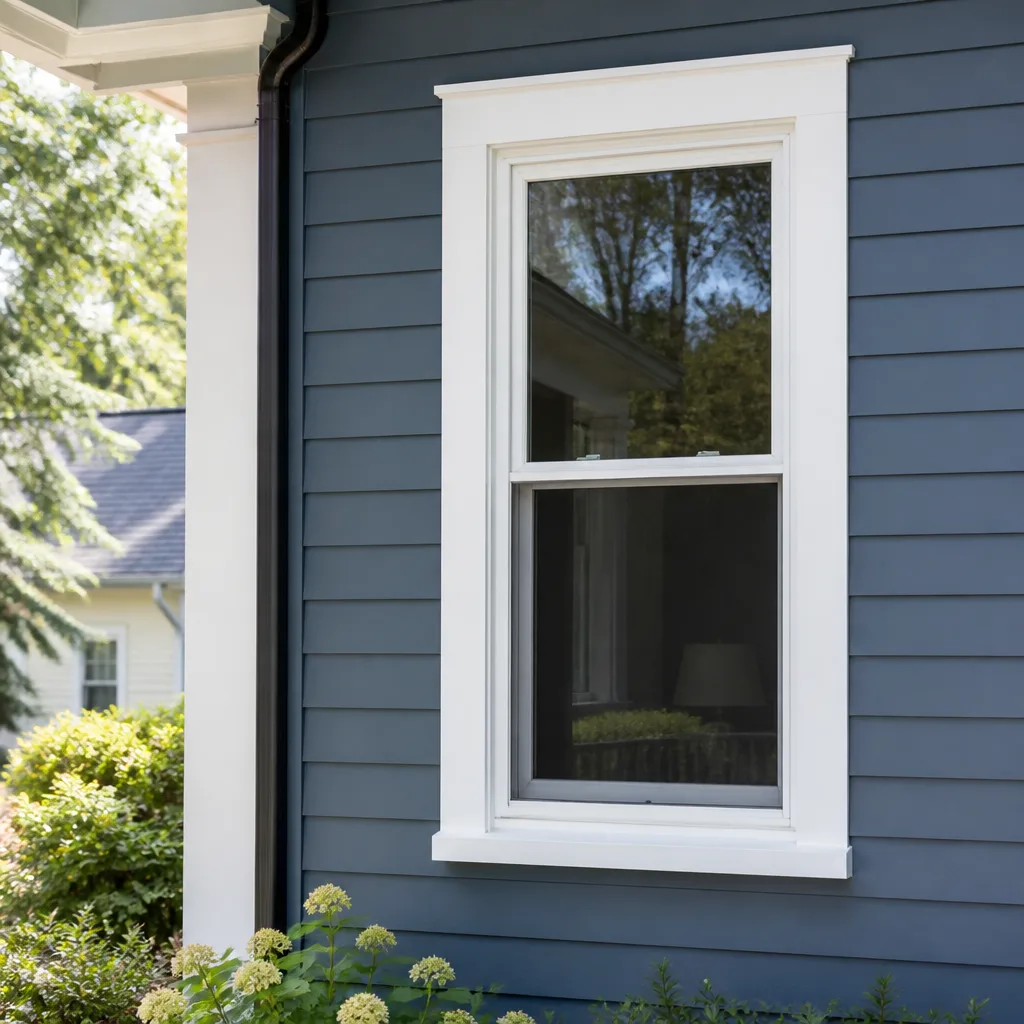
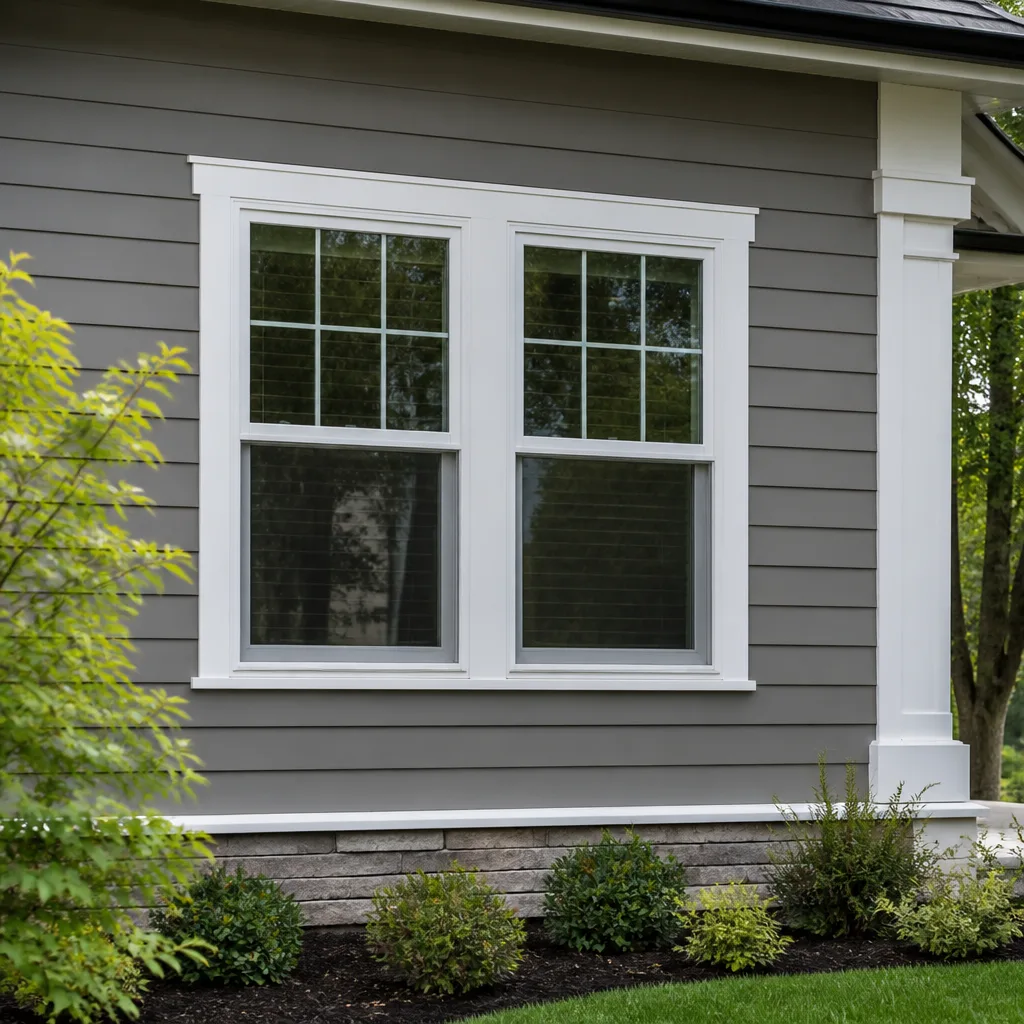
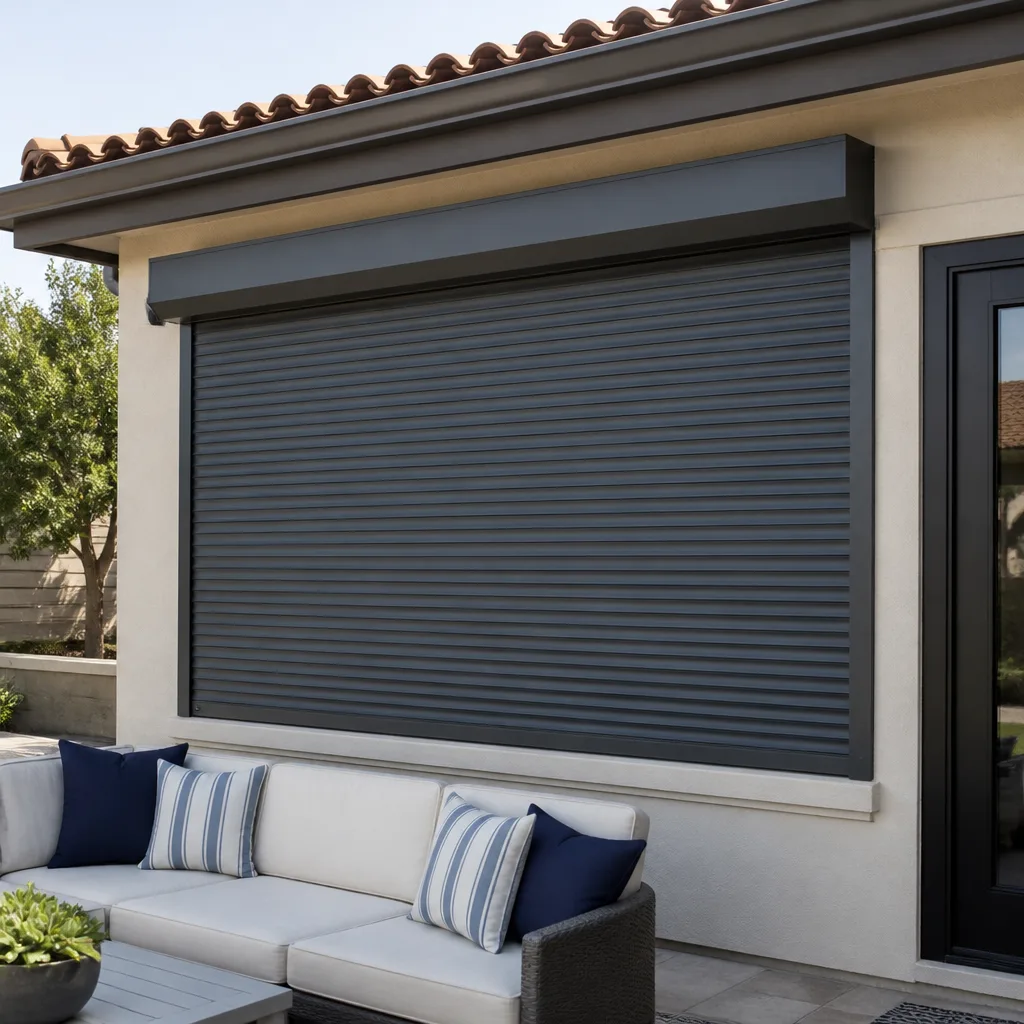
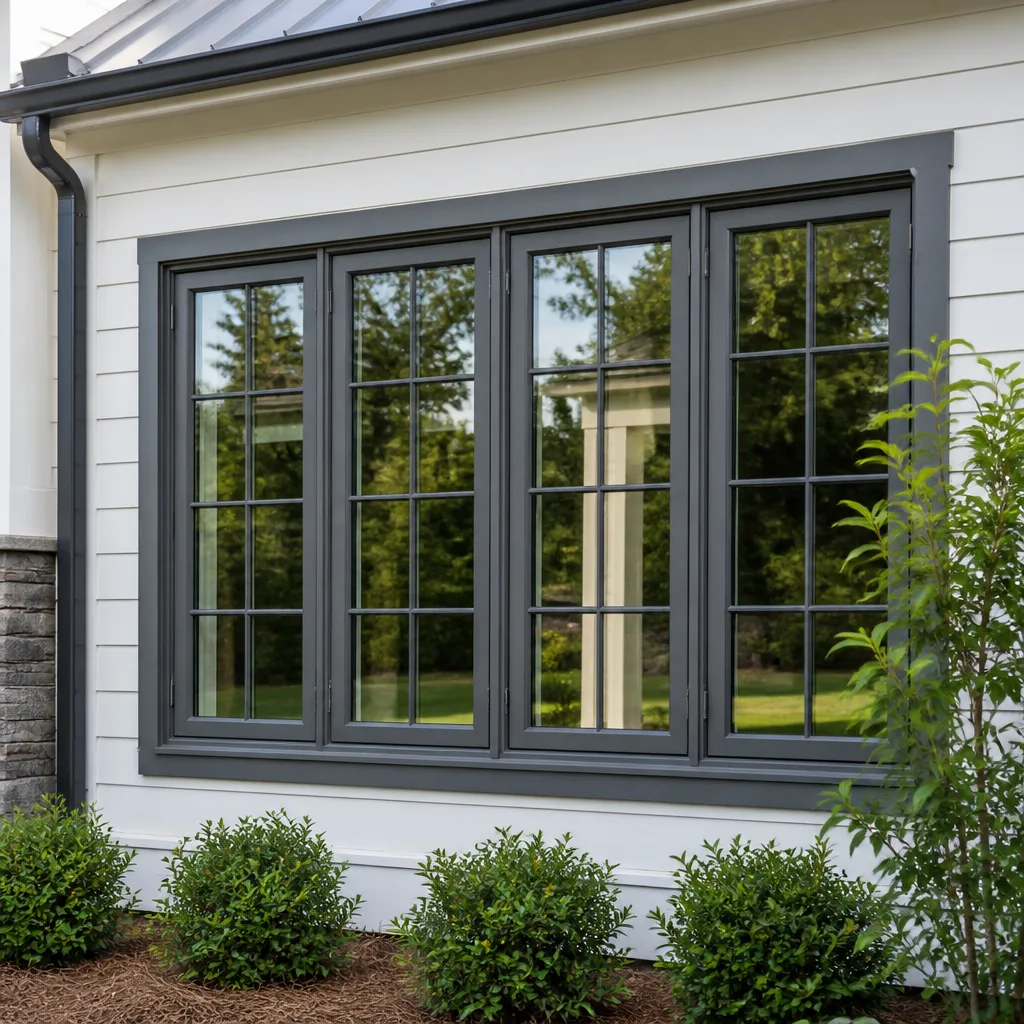
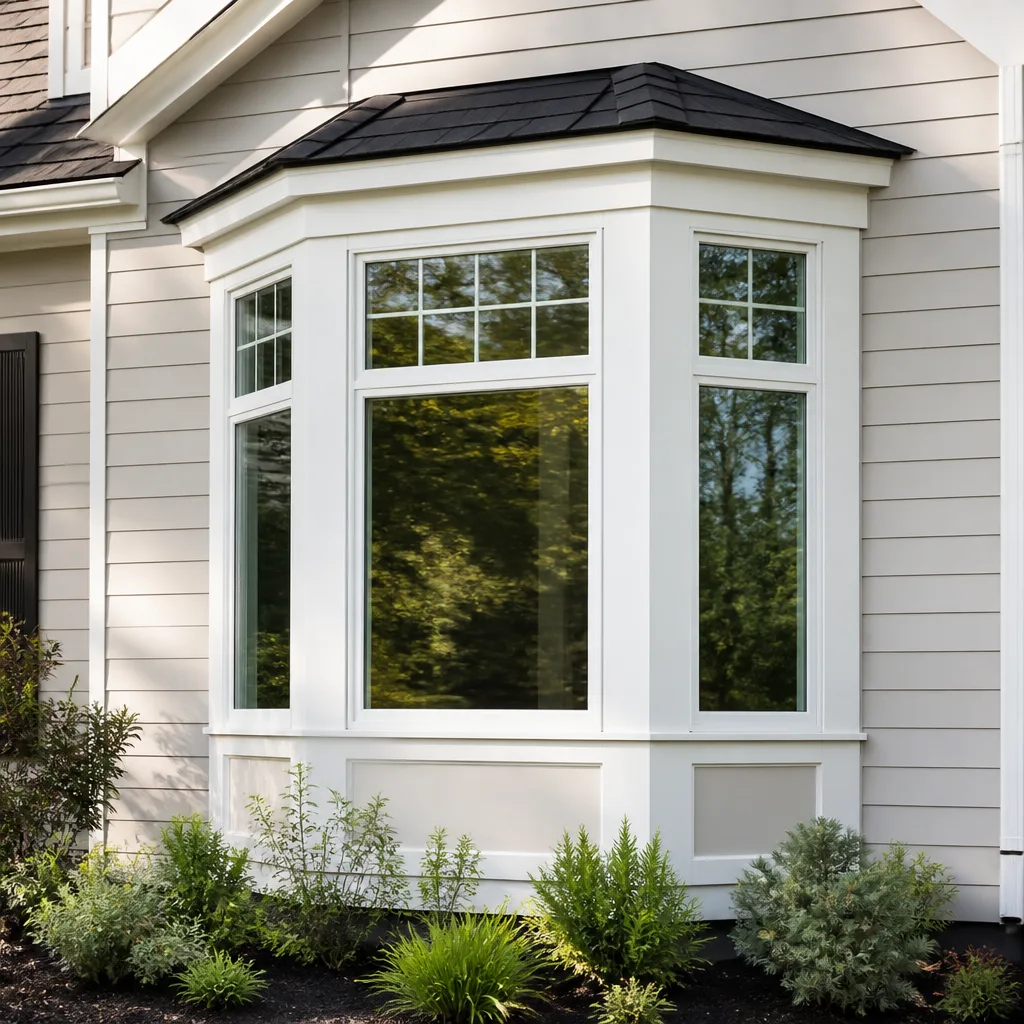
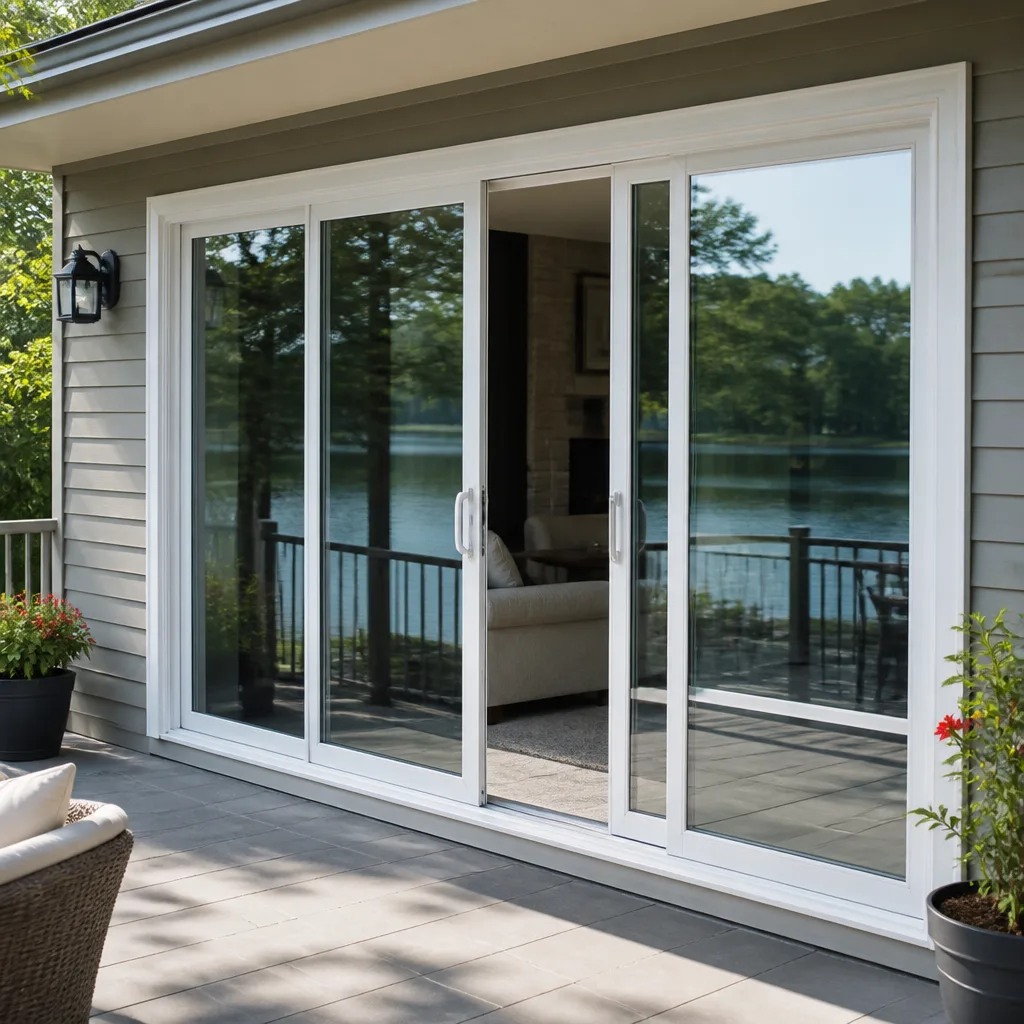
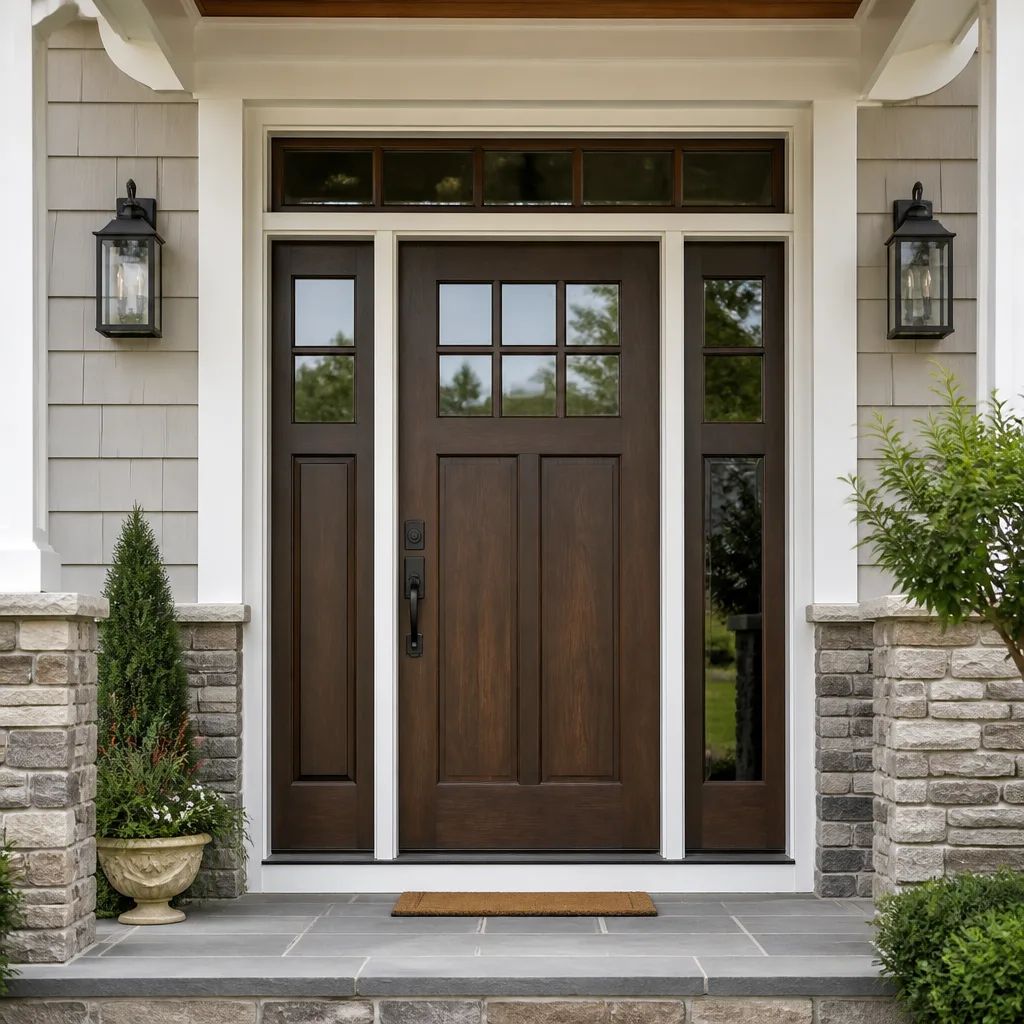
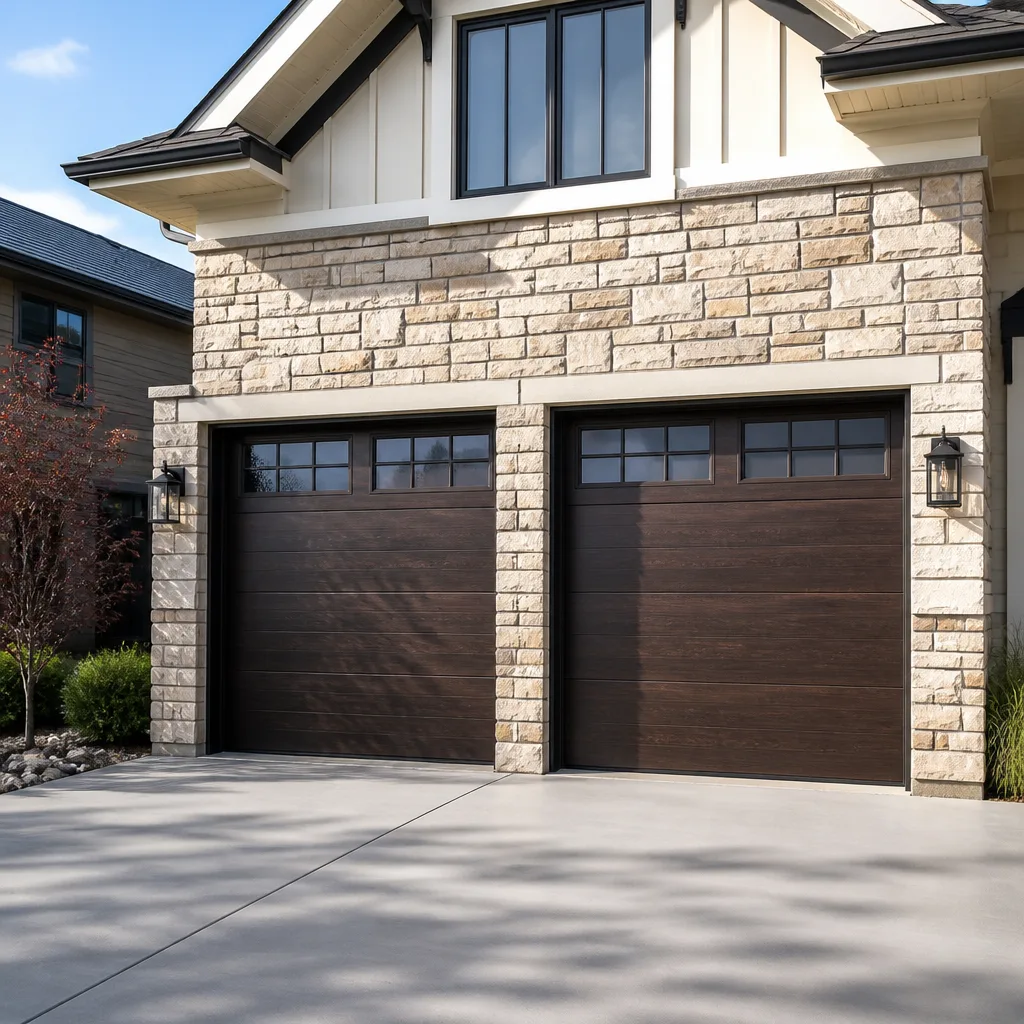
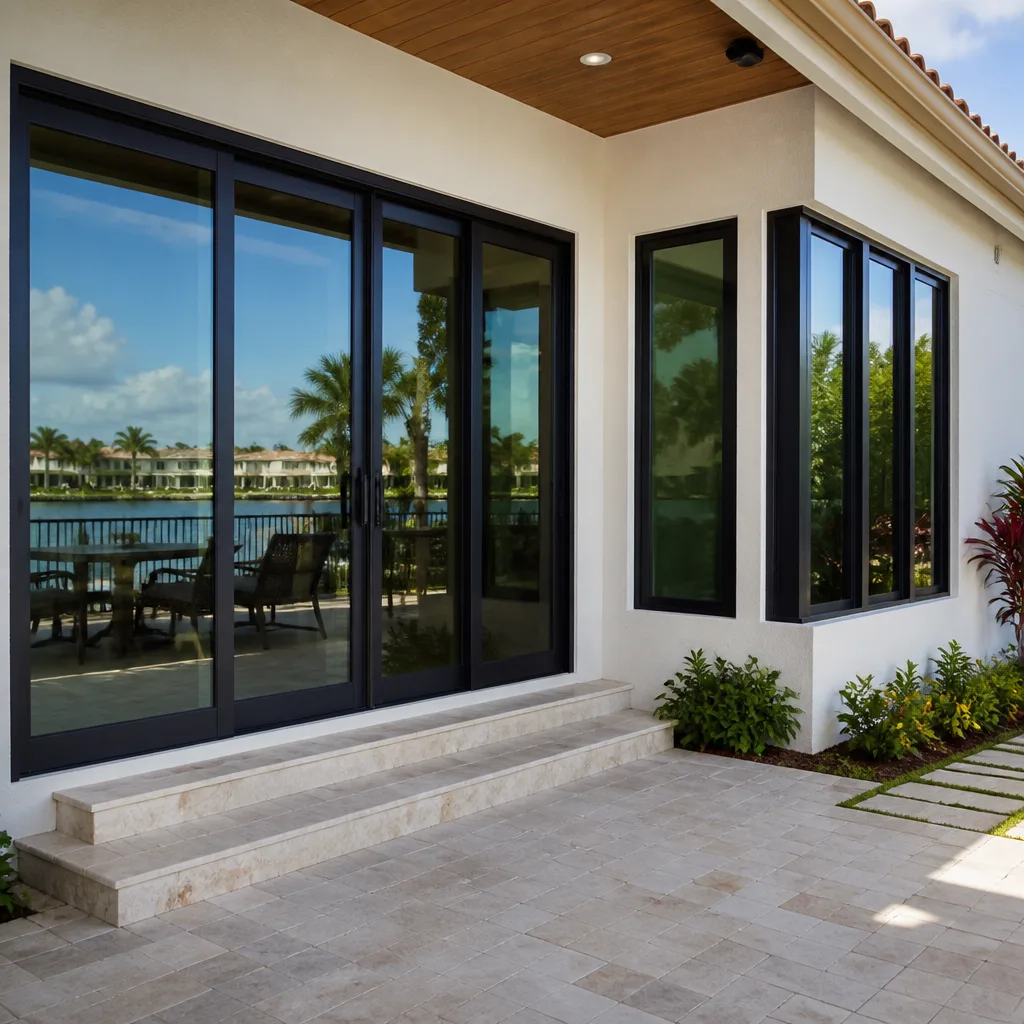
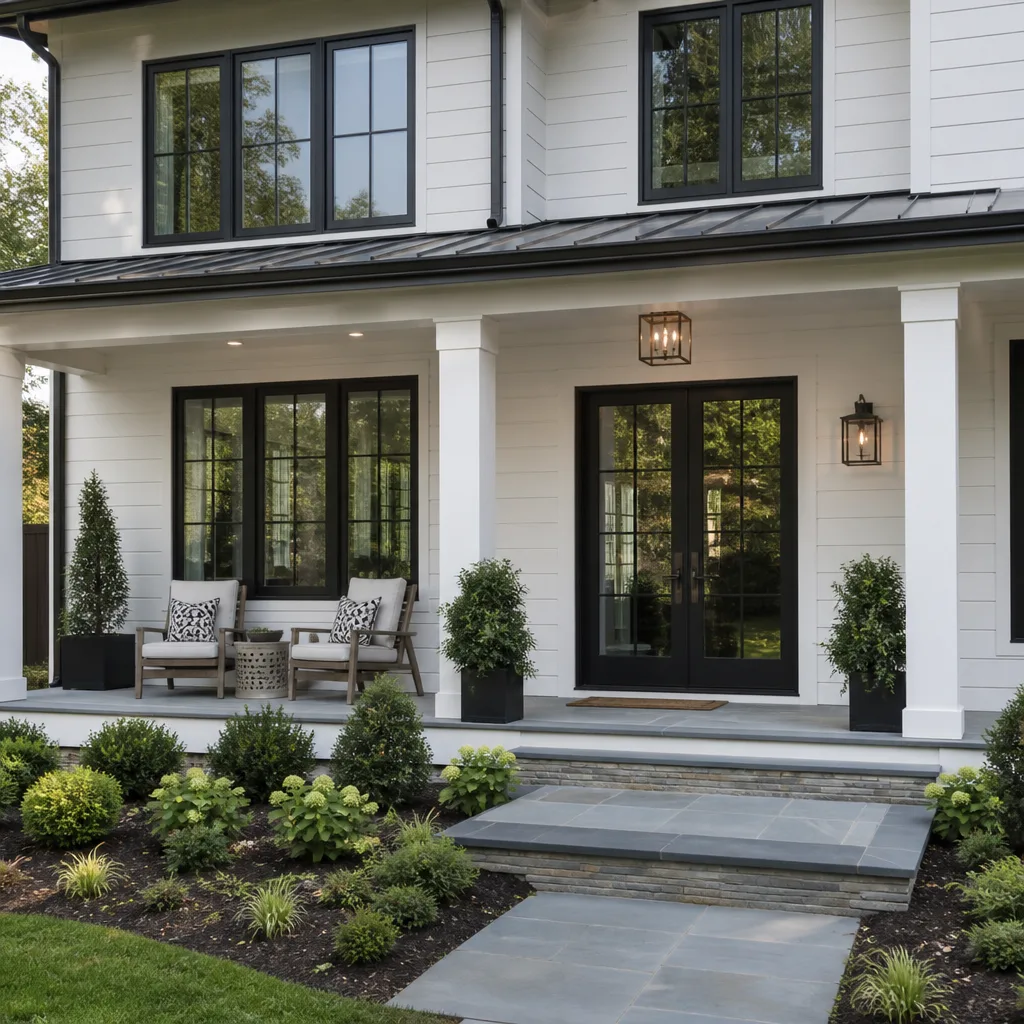
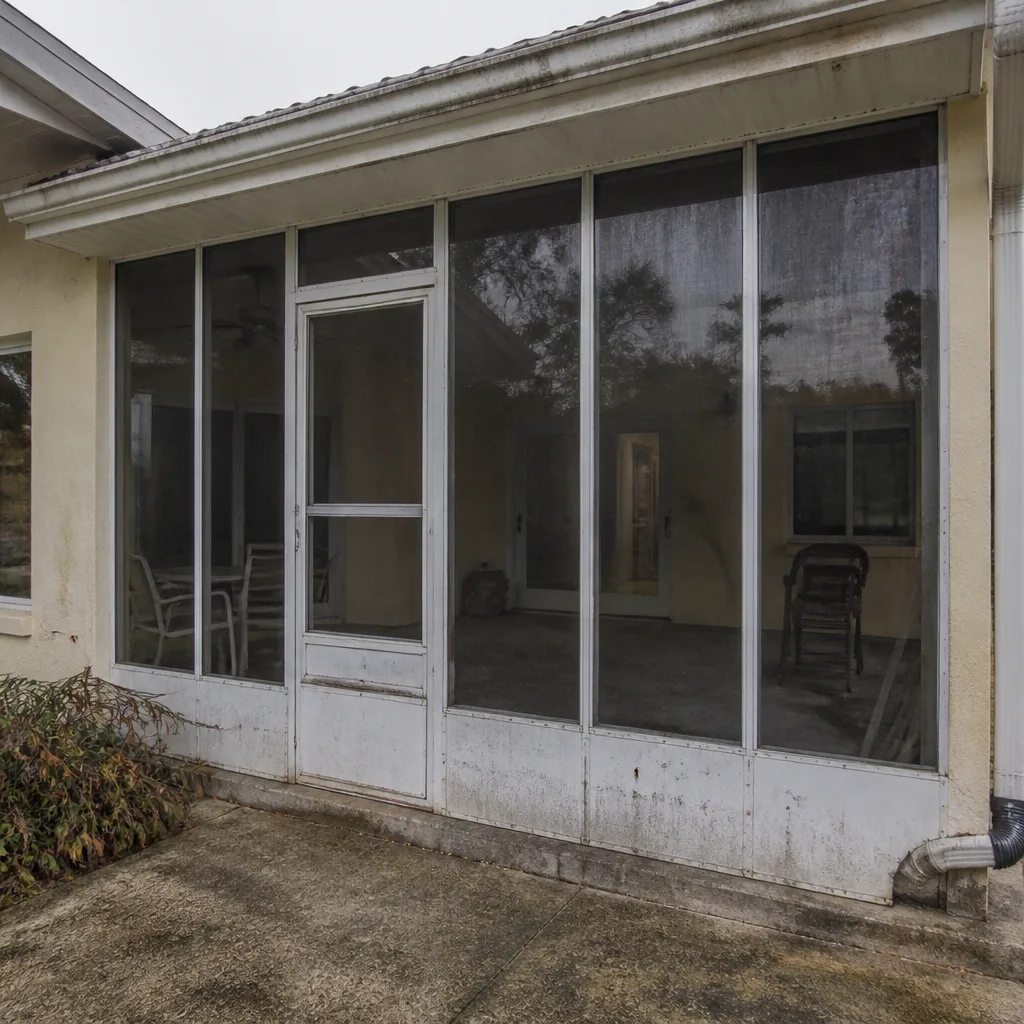 Before
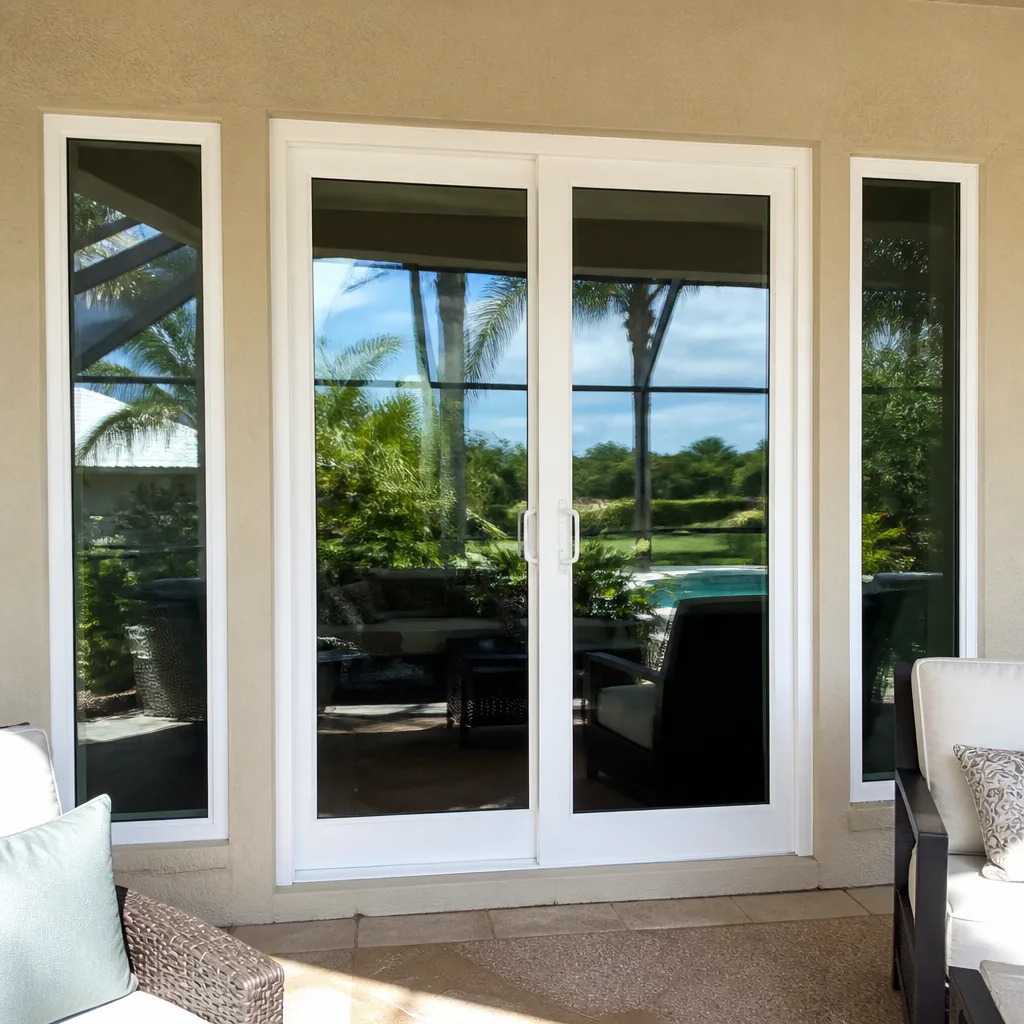 After
After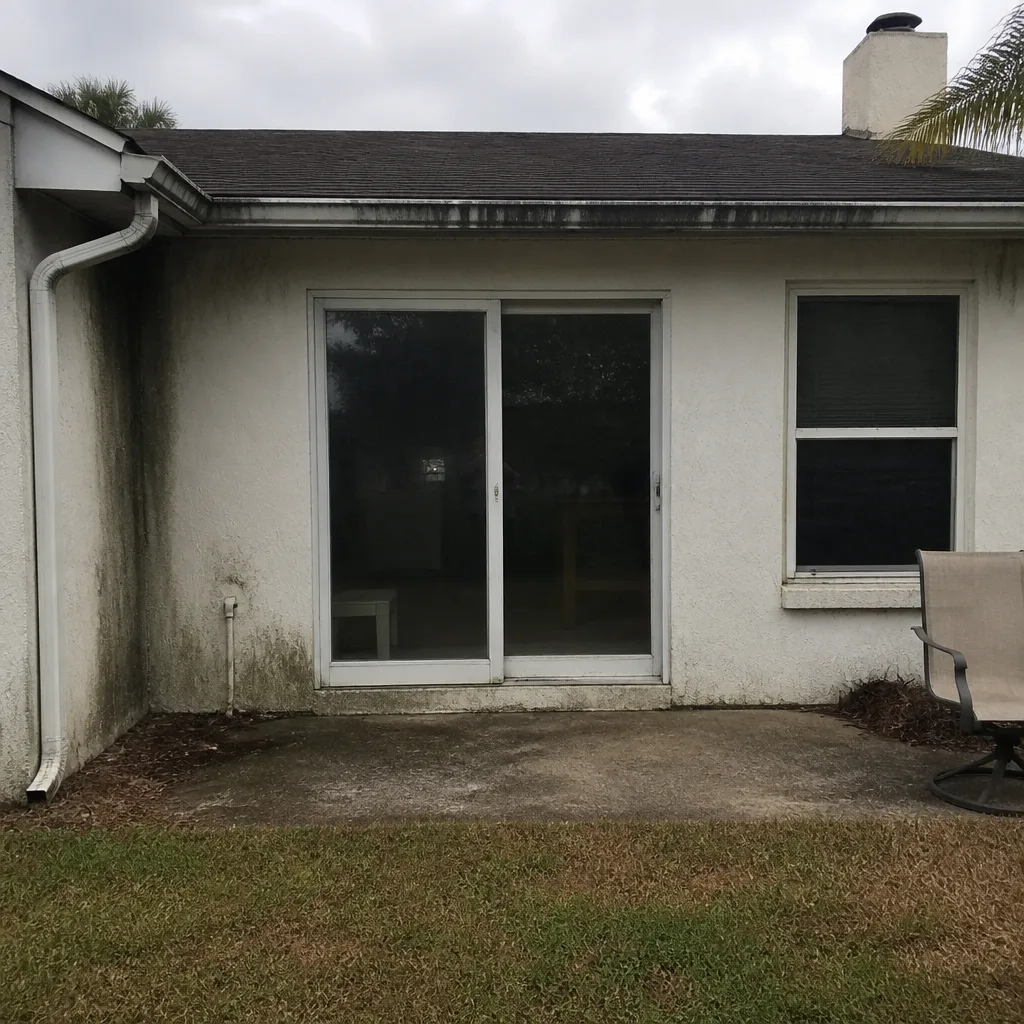 Before
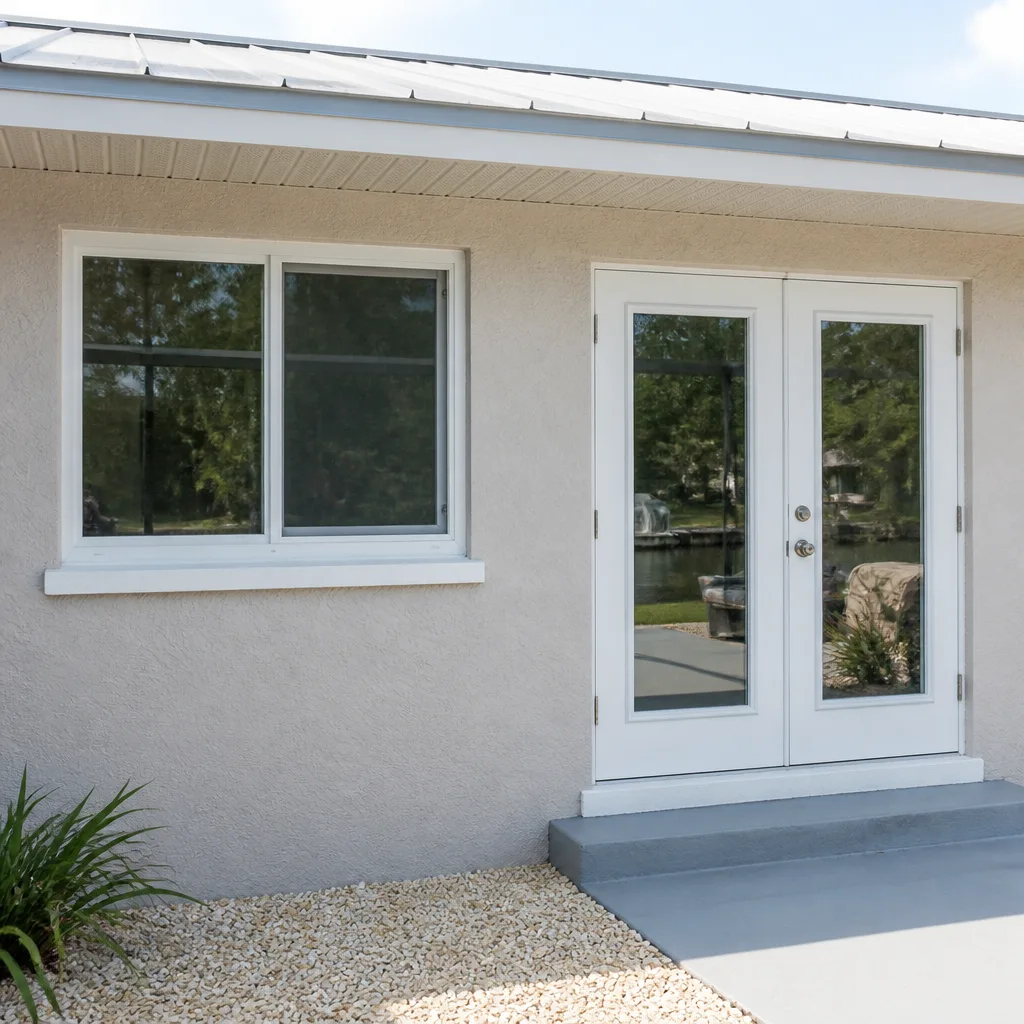 After
After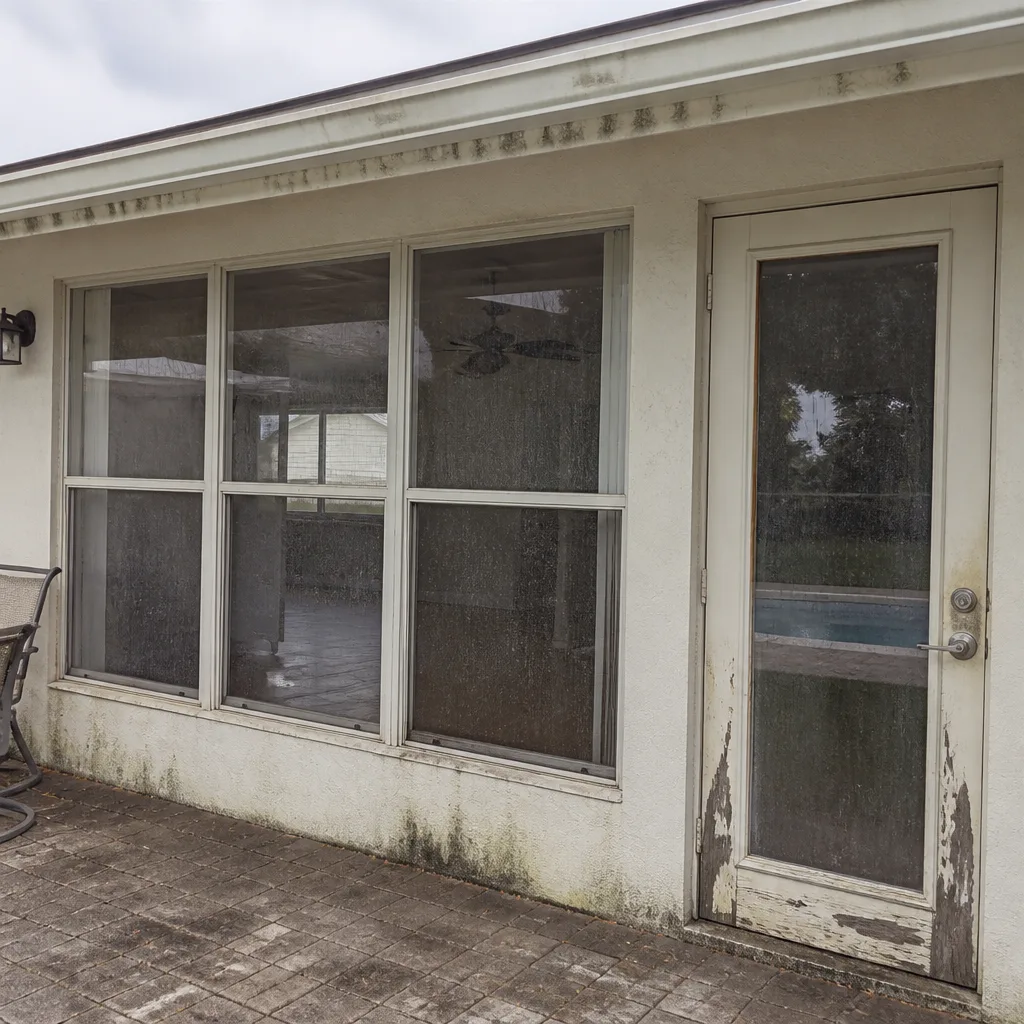 Before
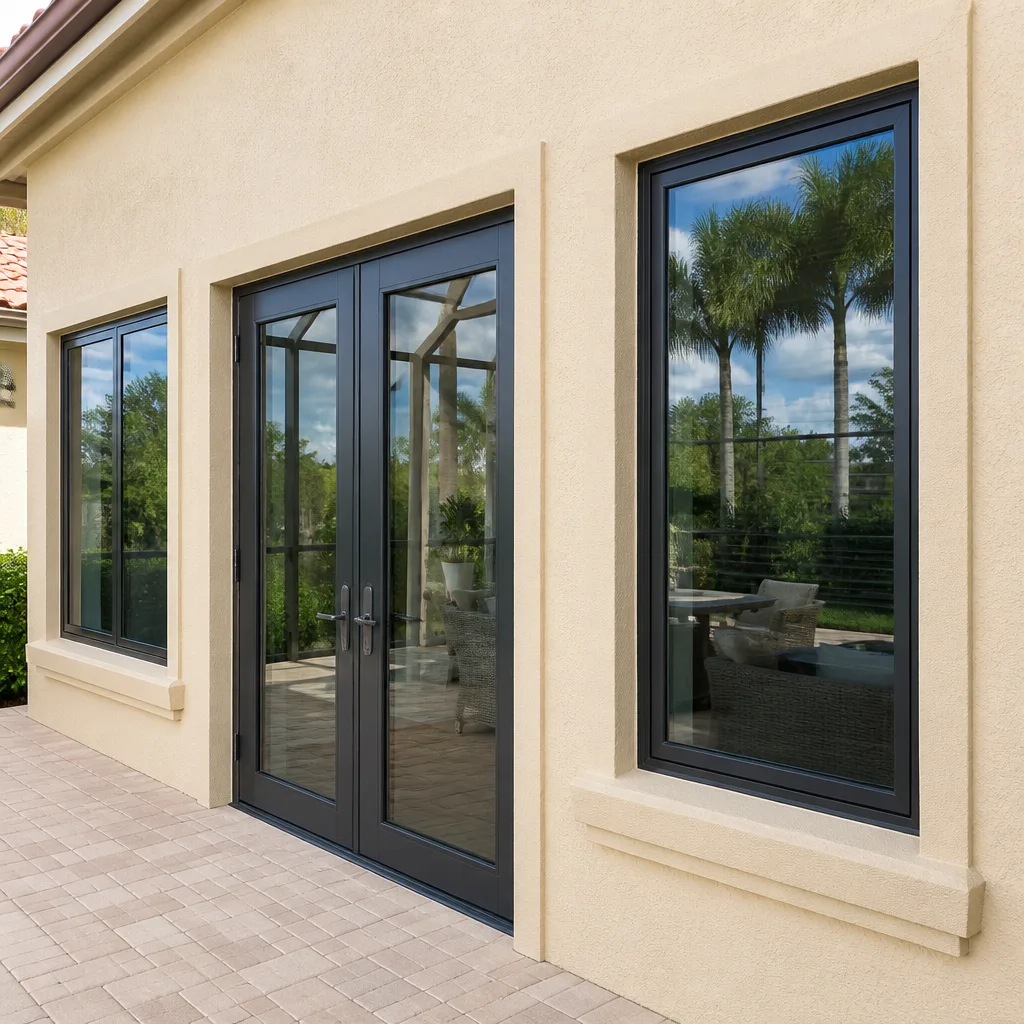 After
AfterThe Complete Guide to Windows & Doors in Fort Myers
Most national window guides are written for Chicago or Atlanta. Fort Myers sits in a High-Velocity Hurricane Zone (HVHZ), and a window that’s perfectly fine in Ohio can fail a Florida inspection before it’s even installed. This guide is different because it was written by people who live and work here - who know what salt air does to aluminum frames along McGregor Boulevard, what the Lee County inspector looks for on a final walkthrough, and why the “hurricane-ready” label on a big-box window doesn’t mean what most homeowners think it means. If you’re planning to replace or install windows and doors in Fort Myers, here’s exactly what you need to know before you spend a dollar.
Quick Answer
Windows and doors in Fort Myers must meet Florida Building Code requirements for the High-Velocity Hurricane Zone, which means impact-rated or properly protected openings are mandatory - not optional. The right product choice depends on three local factors: wind-load requirements that vary by exact location within Lee County, salt-air corrosion resistance for coastal properties, and energy efficiency that holds up under Southwest Florida’s UV exposure. Expect a full replacement project to run from product selection through county inspection in roughly 6 to 12 weeks, with reputable local installers providing detailed written quotes that account for code compliance from day one.
Table of Contents
- Why Fort Myers Is Different: Understanding HVHZ
- Impact-Rated vs. Storm-Rated: What the Labels Actually Mean
- Frame Materials and Salt Air: What Lasts in Lee County
- Florida-Engineered Brands: PGT, CGI, and Why Origin Matters
- A Realistic Fort Myers Project Timeline
- Energy Efficiency in a Coastal Climate
- Doors Deserve Equal Attention
- Common Mistakes to Avoid
- When to Call a Professional
- Frequently Asked Questions
Why Fort Myers Is Different: Understanding HVHZ
Fort Myers is one of the few places in the United States where building codes treat wind as a life-safety issue rather than a structural afterthought. The HVHZ designation covers Miami-Dade and Broward counties fully, plus coastal portions of Palm Beach County - and while Lee County isn’t technically inside that tri-county zone, Fort Myers sits close enough to feel its influence. The Florida Building Code treats our area as a Wind-Borne Debris Region, which means every window and door in a new or substantially renovated home must either be impact-rated or protected by an approved shutter system.
What does that mean in practice? A window that carries a design pressure (DP) rating of 35 might sail through inspection in Orlando. That same window in Fort Myers may need a DP 50 rating or higher depending on its exact location, the height of the building, and its exposure category. Homes within a mile of the Caloosahatchee River or the Gulf typically face higher wind-load requirements than homes further inland near Lehigh Acres or Gateway.
We’ve seen homeowners buy windows from out-of-state retailers, get them delivered, and then discover the product doesn’t meet Lee County’s requirements. The windows sit in a garage while the homeowner scrambles to find compliant replacements. That’s an expensive mistake that a local installer with code knowledge would have caught before the order was placed.
The enforcement is real. Lee County building inspectors check for product approval numbers - the FL numbers stamped on every compliant window and door. If the product doesn’t carry the right approval for the right wind zone, it fails. No exceptions, no waivers, no “close enough.”
Impact-Rated vs. Storm-Rated: What the Labels Actually Mean
Impact-rated means the product passed specific testing: large-missile impact (a 9-pound 2×4 fired at the window at 50 feet per second) followed by 9,000 cycles of positive and negative wind pressure. Storm-rated, hurricane-ready, and similar phrases are marketing language with no legal definition under the Florida Building Code. When you see “hurricane-ready” on a window label in a store, it may simply mean the manufacturer suggests adding shutters to it.
That distinction matters when you’re writing a check. An impact-rated window from PGT or CGI carries a Florida Product Approval number that certifies it passed the exact testing required for use in Wind-Borne Debris Regions. A window advertised as “storm-rated” may offer no such certification. If it lacks the approval number, your Lee County inspection will fail, and your insurance company may deny wind-mitigation credits.
There’s also a third category worth understanding: non-impact windows paired with permanent shutters. This is legal under code and sometimes cheaper upfront. But it shifts the protection burden to the homeowner. When a storm approaches, someone has to be home to deploy the shutters. Impact windows protect passively - they’re always doing their job, whether you’re home, at work, or out of town during a September evacuation. That’s why most Fort Myers homeowners choose true impact-rated products for primary residences. See our DIY vs Professional Windows & Doors: The Fort Myers Homeowner’s Decision Guide for help weighing your options.
Read our full guide to Impact Windows in Fort Myers for a deeper breakdown of testing standards, product approvals, and what to look for on a specification label.
Frame Materials and Salt Air: What Lasts in Lee County
Frame material choice in Fort Myers isn’t just about looks or price. It’s about how the material responds to salt air, humidity, and UV exposure that breaks down products faster here than almost anywhere else in the country. We’ve replaced windows that were only 12 years old but had frames so corroded the sashes barely opened. Our Impact Windows Maintenance Checklist for Fort Myers Homeowners shows how to avoid that fate.
Aluminum was the Florida standard for decades. It’s strong, lightweight, and handles wind loads exceptionally well. But unprotected aluminum corrodes in salt-air environments. Homes within a few miles of the Gulf, or along brackish waterways, often show white, chalky oxidation on aluminum frames within 5 to 10 years. Anodized or powder-coated aluminum resists this far better, but scratches and installation cuts can still expose raw metal.
Vinyl has become the dominant choice for good reason. It doesn’t corrode, it doesn’t rot, and modern vinyl formulations include UV stabilizers that prevent the brittleness and yellowing older generations suffered. A quality vinyl impact window from a Florida manufacturer is engineered for exactly these conditions. The frames expand and contract with heat, which is why installation quality and proper shimming matter so much - sloppy vinyl installation leads to binding sashes and seal failures within a few years.
Fiberglass and composite frames sit at the premium end. They expand and contract at rates very close to glass itself, which reduces seal stress in our temperature swings. They handle salt air without corrosion and offer narrow sightlines that aluminum pros appreciate. The cost is higher, but for homeowners planning to stay 20-plus years, the durability math often works.
Wood frames are rare in new Fort Myers installations, and for good reason. Our humidity, termite pressure, and salt exposure attack wood relentlessly. If you’re restoring a historic home in the Dean Park district, wood windows may be required for architectural consistency, but plan on significant maintenance.
Florida-Engineered Brands: PGT, CGI, and Why Origin Matters
A window designed in Minnesota and adapted for Florida is a compromise. A window designed in Florida - tested in Florida, for Florida’s wind profiles and humidity - is a different product entirely. That’s why we install PGT and CGI products almost exclusively for impact applications. Both companies are headquartered in Florida, both operate their own testing facilities in the state, and both build their product lines around the demands of the Florida Building Code rather than retrofitting northern designs to meet it.
PGT, based in North Venice, has been manufacturing impact windows since the 1980s and controls its entire process from glass lamination through frame extrusion. CGI, based in Miami, is similarly focused on the coastal Florida market with a product line that includes some of the highest design pressure ratings available for residential use. Both brands carry full Florida Product Approval documentation, which means their specifications are on file and verifiable before your Lee County inspection.
There’s a practical advantage here beyond code compliance. When a part fails - a balance, a roller, a lock - a Florida-based manufacturer ships that part quickly. A homeowner with windows from an out-of-state manufacturer often waits weeks for warranty parts while a broken sash sits propped open.
For door applications, Therma-Tru builds fiberglass entry doors that handle humidity without warping, which is why we pair them with impact-rated glass packages. For homeowners with modern architectural styles, ES Windows and ECO Window Systems offer large-format aluminum and thermally broken frames that meet impact standards without looking like fortress hardware. Mr-Glass produces interior and hurricane glass solutions that round out the lineup. The point isn’t that one brand fits every home. It’s that the brand should be chosen for the application and the climate - not because a big-box store happens to stock it.
If you’re comparing quotes, our Window Replacement in Fort Myers page breaks down how to evaluate product specs line by line so you’re comparing apples to apples.
A Realistic Fort Myers Project Timeline
Most homeowners underestimate how long a window or door project takes in Fort Myers. Not because contractors are slow, but because the process has real steps that can’t be skipped: product ordering, permitting, scheduling, installation, and county inspection. Here’s what a typical full-home replacement looks like from start to finish.
- Measurement and quote (1-2 weeks). A technician visits your home, takes precise measurements, and documents existing conditions. You receive a written, line-item quote. For homeowners comparing multiple bids, a free second opinion on a written estimate can reveal whether a competitor’s numbers are realistic or lowballed.
- Product selection and order (1 week). You choose products, finishes, glass packages, and hardware. The order goes to the manufacturer. Impact windows are custom-built to your opening sizes - there’s no warehouse of standard sizes waiting for your job.
- Manufacturing (3-6 weeks). This is the longest wait. PGT and CGI build to order. In peak season (spring and early summer, when Fort Myers homeowners rush to finish before hurricane season), lead times can stretch toward the upper end.
- Permit application (1-2 weeks, can overlap with manufacturing). Your contractor files with Lee County. A good contractor handles this entirely. Product approvals get submitted with the permit package, which is why choosing approved products from the start prevents delays.
- Installation (2-5 days for a typical home). Crews remove old windows, set new ones, flash and seal openings, and restore interior trim. Larger homes or complex projects with geometrically shaped windows take longer.
- County inspection (3-10 days after installation). A Lee County inspector verifies that installation matches the approved plans. On a clean job with proper product approvals, this passes the first time. Failures happen when paperwork doesn’t match the installed product - another reason to work with installers who understand local code.
Total realistic timeline: 6 to 12 weeks from first call to final inspection. If a contractor promises a full-home replacement in two weeks, something’s being skipped - probably the permit or the inspection. Neither is optional in Fort Myers.
For a closer look at what happens on installation day, see our Window Installation in Fort Myers guide.
Energy Efficiency in a Coastal Climate
Energy efficiency in Fort Myers means something different than it does in Minneapolis. We’re not fighting frozen pipes. We’re fighting solar heat gain through glass that faces the Florida sun for 10-plus hours a day in summer. The right glass package can mean the difference between an air conditioner that cycles normally and one that runs constantly while your living room still feels warm.
The metric that matters most here is Solar Heat Gain Coefficient (SHGC). It measures how much solar radiation passes through the glass. In Fort Myers, you want a low SHGC - typically 0.25 or lower on east- and west-facing windows. That reduces the greenhouse effect inside your home and cuts cooling costs. U-factor, which measures heat transfer, matters too, but our winter is mild. SHGC is the number that shows up on your FPL bill.
Most impact glass achieves strong SHGC numbers through laminated glass with low-emissivity (Low-E) coatings. The interlayer that stops a 2×4 also blocks a significant portion of UV radiation, which protects furniture, flooring, and artwork from fading. In our experience, homes on the water in Cape Coral and Fort Myers Beach benefit most dramatically from low-SHGC glass - those western exposures over open water bake interiors in the late afternoon.
Don’t overlook the frame’s role in energy performance. Thermally broken aluminum frames, or vinyl frames with multi-chamber construction, prevent heat from conducting through the frame itself. A single-pane aluminum window in Fort Myers can radiate enough heat to warm a room even when the glass is shaded. The frame matters as much as the glass here.
Doors Deserve Equal Attention
Windows get most of the attention in Fort Myers home improvement conversations, but doors are the weak link in many houses. A sliding glass door that faces the storm is a bigger wind-load liability than most windows. An entry door that seals poorly lets humidity inside, where it feeds mold and warps wood trim. A garage door that’s not impact-rated creates a pressure breach that can lift your roof during a hurricane.
Sliding glass doors in Fort Myers should meet the same impact standards as your windows. The testing is similar - large-missile impact followed by pressure cycling - but the larger glass area means the structural demands are more intense. Cheap sliders fail because their frames flex under load, not because the glass breaks. A quality impact slider uses reinforced frames designed for the additional deflection forces.
Entry doors pair two considerations: security and weather resistance. Fiberglass doors from Therma-Tru resist humidity warping that plagues wood doors in our climate, and they can be equipped with impact-rated glass inserts. For homes with decorative glass, the glass package itself must be impact-rated or protected by an approved shutter. A beautiful leaded-glass door that isn’t impact-protected becomes a liability during a storm.
Garage doors are often the largest opening in a Fort Myers home, and code treats them like any other window or door. An impact-rated garage door is reinforced and tested to prevent wind from pressurizing your home and lifting the roof off. If you have an older garage door that’s never been upgraded, this is the single most important door on your house to address before the next storm season.
Common Mistakes to Avoid
- Buying windows online without verifying Florida Product Approvals. National retailers sell thousands of windows that aren’t approved for Wind-Borne Debris Regions. If the product lacks an FL approval number, it won’t pass a Lee County inspection - and you own that problem.
- Choosing the cheapest quote without comparing scope. Low bids in Fort Myers usually mean something’s missing: no permit, non-impact glass, or installation crews that don’t flash openings correctly. Compare line items, not just totals.
- Ignoring the garage door. Homeowners upgrade windows and entry doors, then leave an unrated garage door that fails under wind load. The garage is often the largest opening in the home - it matters as much as any window.
- Waiting until June to start a project. Hurricane season runs June through November, and manufacturers’ lead times stretch in spring as homeowners rush to prepare. Start in winter and you’ll have your products installed before the peak.
- Assuming all impact glass looks the same. Impact windows vary in tint, clarity, and reflectivity. Some have a green or gray cast. Ask to see actual samples in sunlight before committing to a whole house.
- Forgetting about the permit. Some contractors offer to “save you money” by skipping permits. In Fort Myers, unpermitted window work gets flagged during home sales, insurance reviews, and post-storm inspections. Never skip the permit.
- Replacing windows without addressing the frame’s condition. If your frame is rotted or corroded, a new window in the old frame fails early. A proper installation includes inspecting and repairing the rough opening before the new unit goes in.
Back to Winslow Windows & Doors home
When to Call a Professional
Some projects are too risky to attempt without training. Window and door installation in Fort Myers involves structural openings, flashing details that keep water out of your walls, and code compliance that’s easy to get wrong. If your project involves impact-rated products, load-bearing walls, second-story openings, or any window larger than a standard single-hung, call a licensed professional - our How to Hire a Windows & Doors Contractor in Fort Myers: A Step-by-Step Guide explains what to look for. The cost of correcting a failed installation usually exceeds the cost of doing it right the first time.
Winslow Windows & Doors offers free estimates in Fort Myers - call (239) 453-7751. We’ve been serving Fort Myers since 2011, and Ed Winslow’s name is on every job we do. If it’s not done right, we make it right. That’s the 36500-Day Done Right Promise.
Frequently Asked Questions
Impact window replacement in Fort Myers typically runs $800 to $1,600 per opening installed, depending on size, frame material, and glass package. A full-home project on a standard 3-bedroom house usually lands between $12,000 and $25,000. Call (239) 453-7751 for an exact quote - estimates are free, and we provide written line-item pricing with no surprises on the invoice.
Yes, for new construction and substantial renovations, all windows and doors in Fort Myers must be impact-rated or protected by approved shutters because Lee County is in a Wind-Borne Debris Region under the Florida Building Code. Replacement of a single existing window follows the same requirement. Call us if you’re unsure whether your existing openings comply.
Most Florida insurance carriers offer wind-mitigation credits for impact-rated windows and doors with proper Florida Product Approvals on file. The savings vary by carrier and property location. Ask your agent for the specific credit structure - and keep your product approval documentation after installation.
Installation day for a typical home runs 2 to 5 days, but the full process from ordering to final Lee County inspection usually takes 6 to 12 weeks because impact windows are custom-built to your openings. Call (239) 453-7751 and we’ll give you a realistic timeline for your specific project.
Florida law requires a licensed contractor for permitted window and door work. A homeowner-builder permit exists but carries significant restrictions and is rarely practical for impact windows because the products must be installed to manufacturer specifications for their product approvals to remain valid.
Yes. We offer $40 off any repair over $200, a free second opinion on any written estimate, no trip charge inside Lee County, and a permanent 10% discount for seniors and veterans. These standing offers never expire.
The Bottom Line
Windows and doors in Fort Myers are not a commodity purchase. Our High-Velocity Hurricane Zone requirements, salt-air corrosion, and brutal UV exposure mean every product decision carries consequences that generic national guides don’t address. For more guides & resources written specifically for Southwest Florida homeowners, browse our blog. Choose impact-rated products with proper Florida Product Approvals. Match the frame material to your property’s proximity to salt water. Work with a local installer who handles permits, passes inspections, and stands behind the work for decades - not seasons. Ed Winslow founded this company in 2011, and the 36500-Day Done Right Promise means what it says. If it’s not done right, we make it right. The one down the road.
Written by Ed Winslow, Owner at Winslow Windows & Doors, serving Fort Myers since 2011.
Six Reasons Homeowners Choose Winslow Windows & Doors
Impact systems engineered to design pressures up to +/-100, matched to your wind zone - your openings hold when the storm arrives.
Low-E insulated impact glass from our manufacturer lines commonly cuts monthly cooling bills 20-30%.
Laminated impact glass shuts out up to 40% of outside noise - traffic, neighbors, weather.
Monitoring services run $30-90 a month. Laminated impact glass resists forced entry around the clock, with no subscription.
Florida homeowners average around 25% savings on the windstorm portion of their policy after protecting every opening - some homes qualify for more.
A full impact package upgrades curb appeal, buyer confidence and appraised value in one project.