
Last updated August 28, 2026
Free in-home measure and quote - PGT, CGI and CWS impact lines compared on your actual openings, style by style


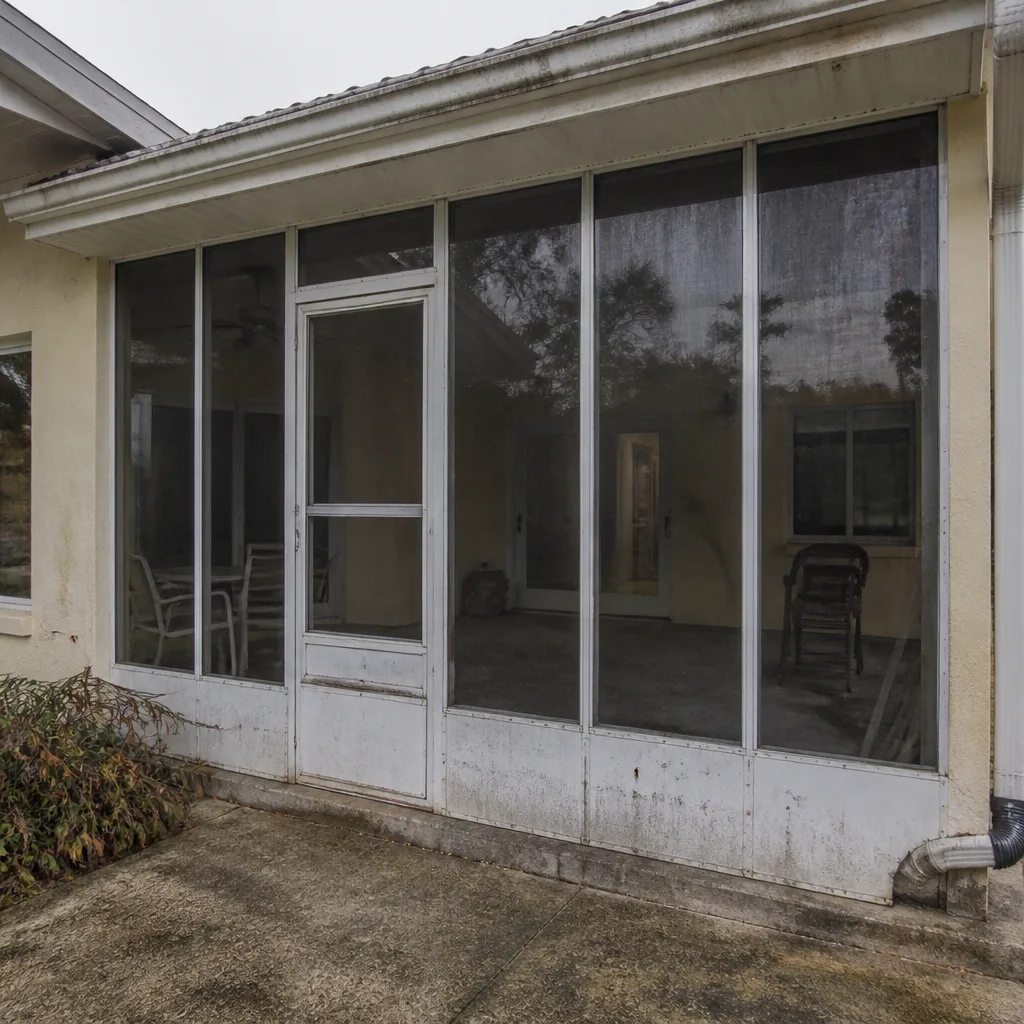 Before
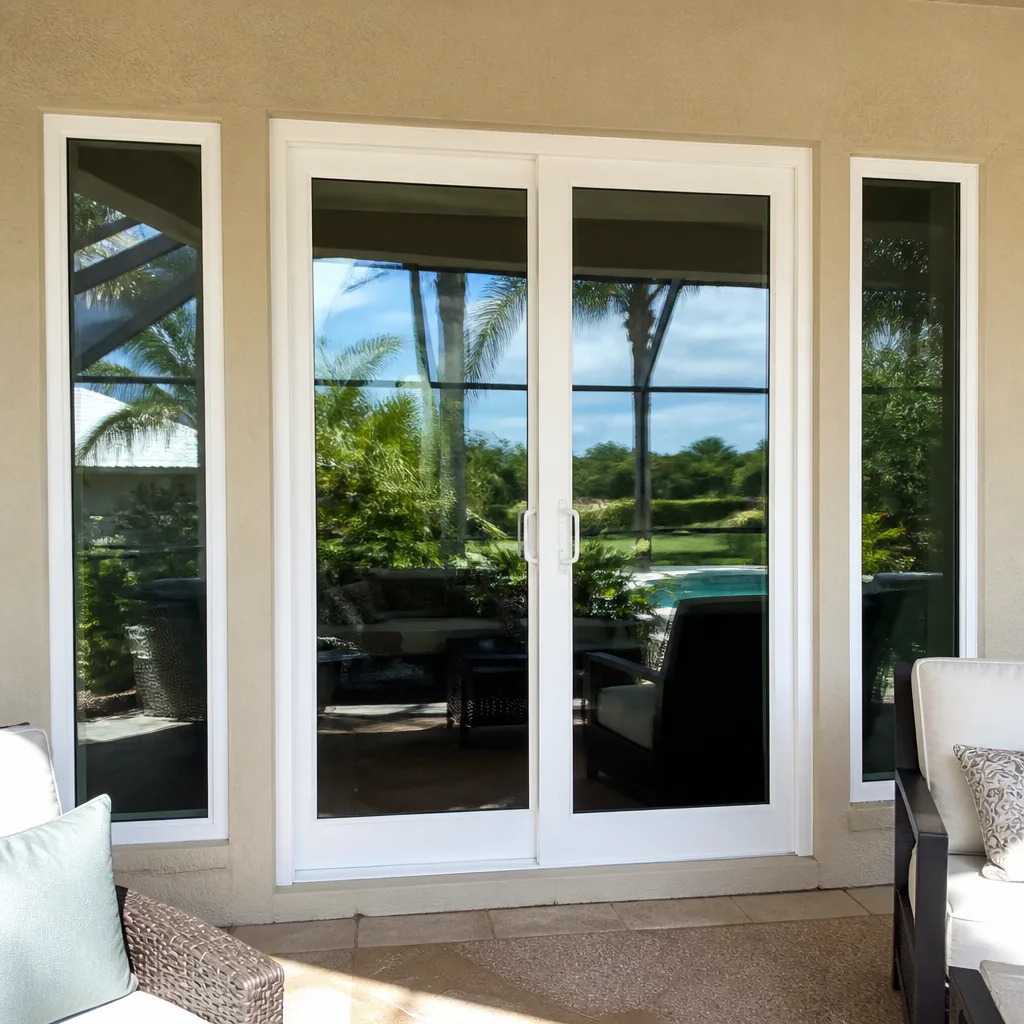 After
After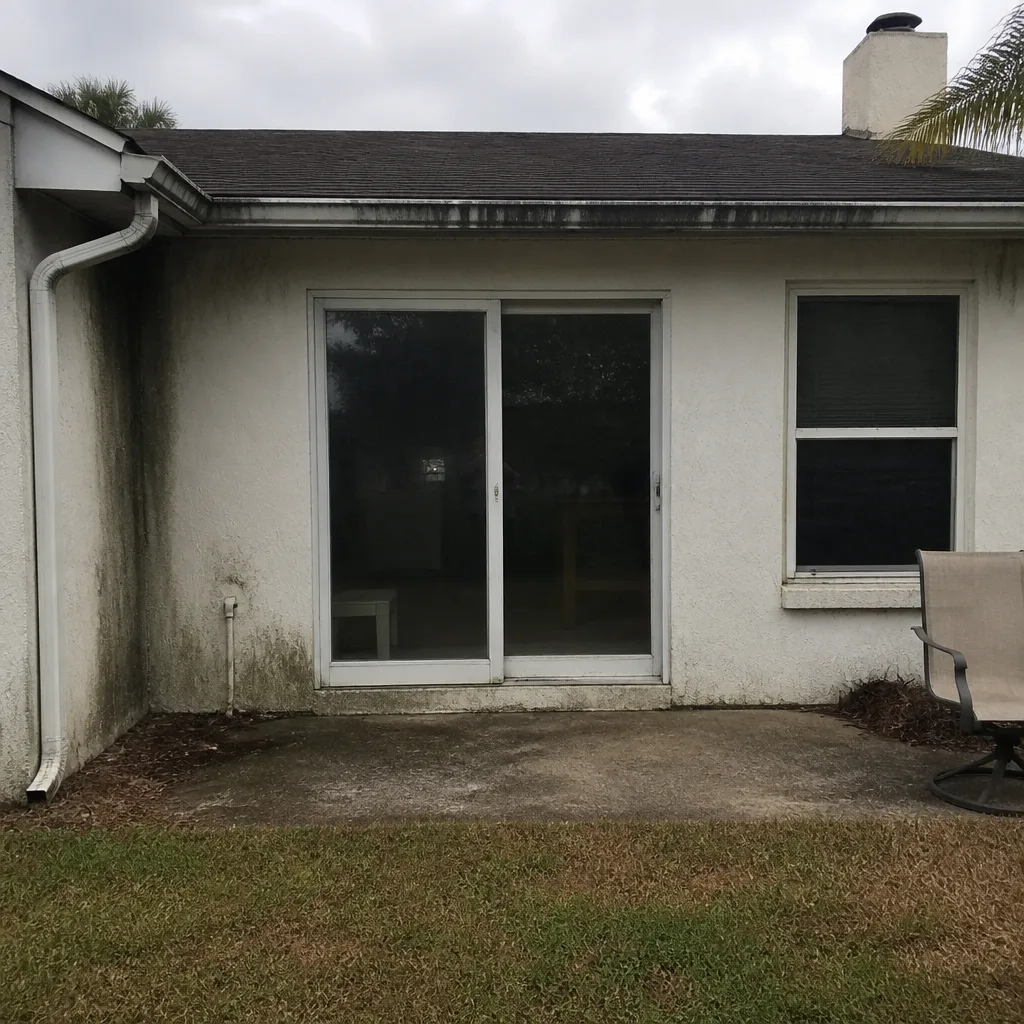 Before
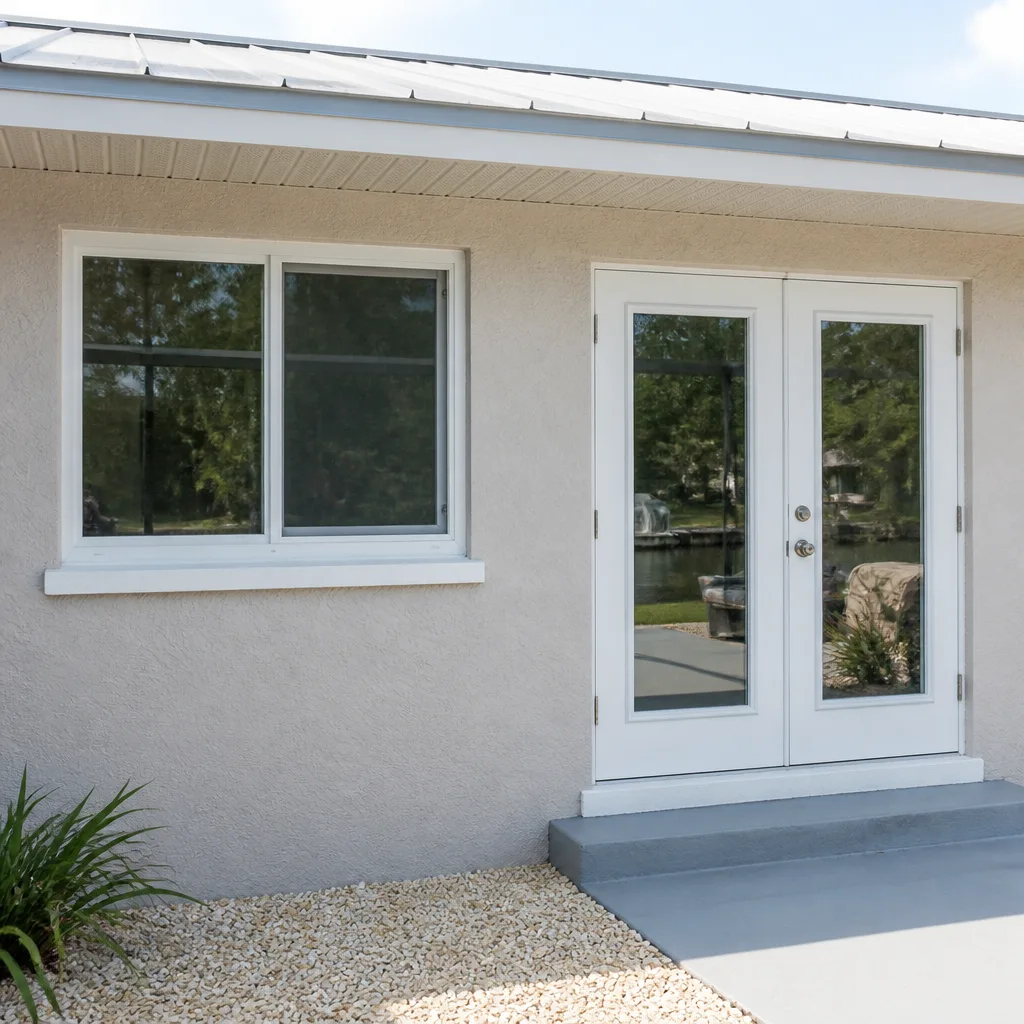 After
After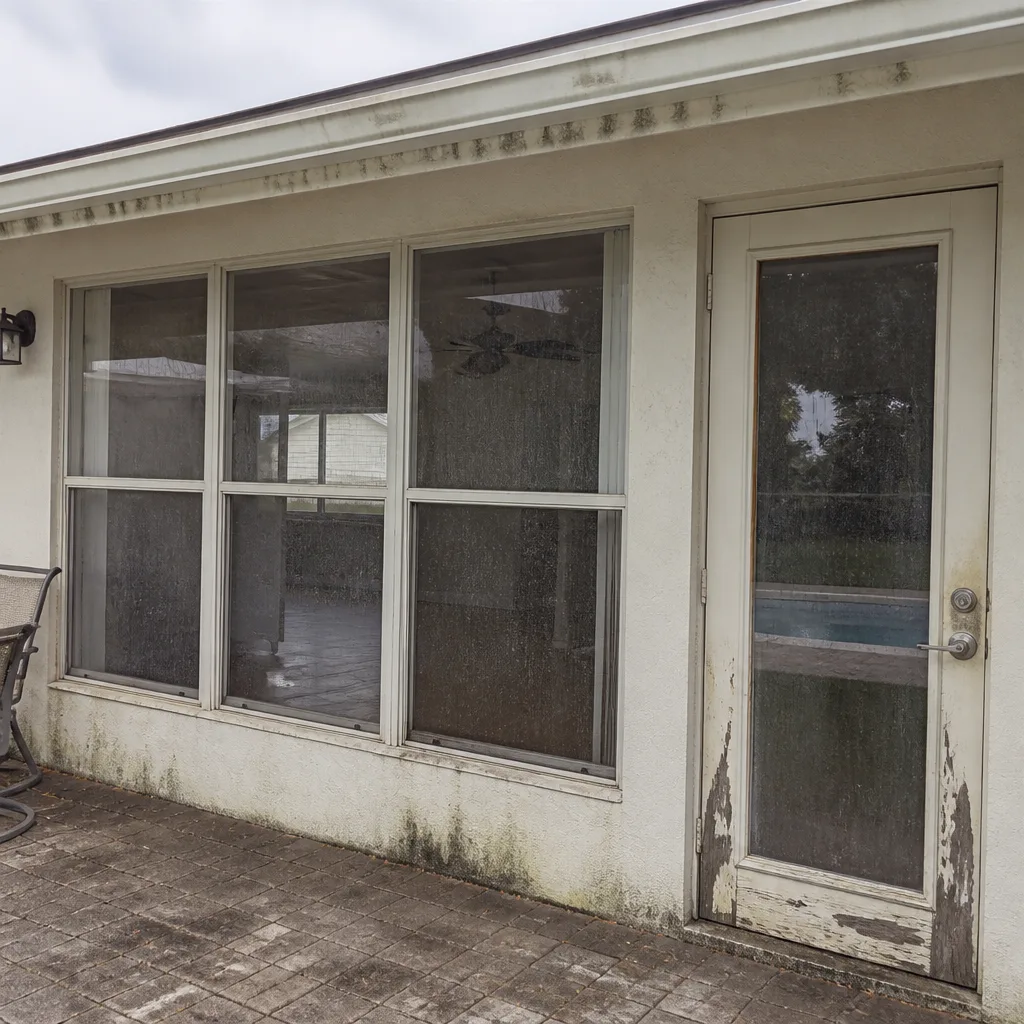 Before
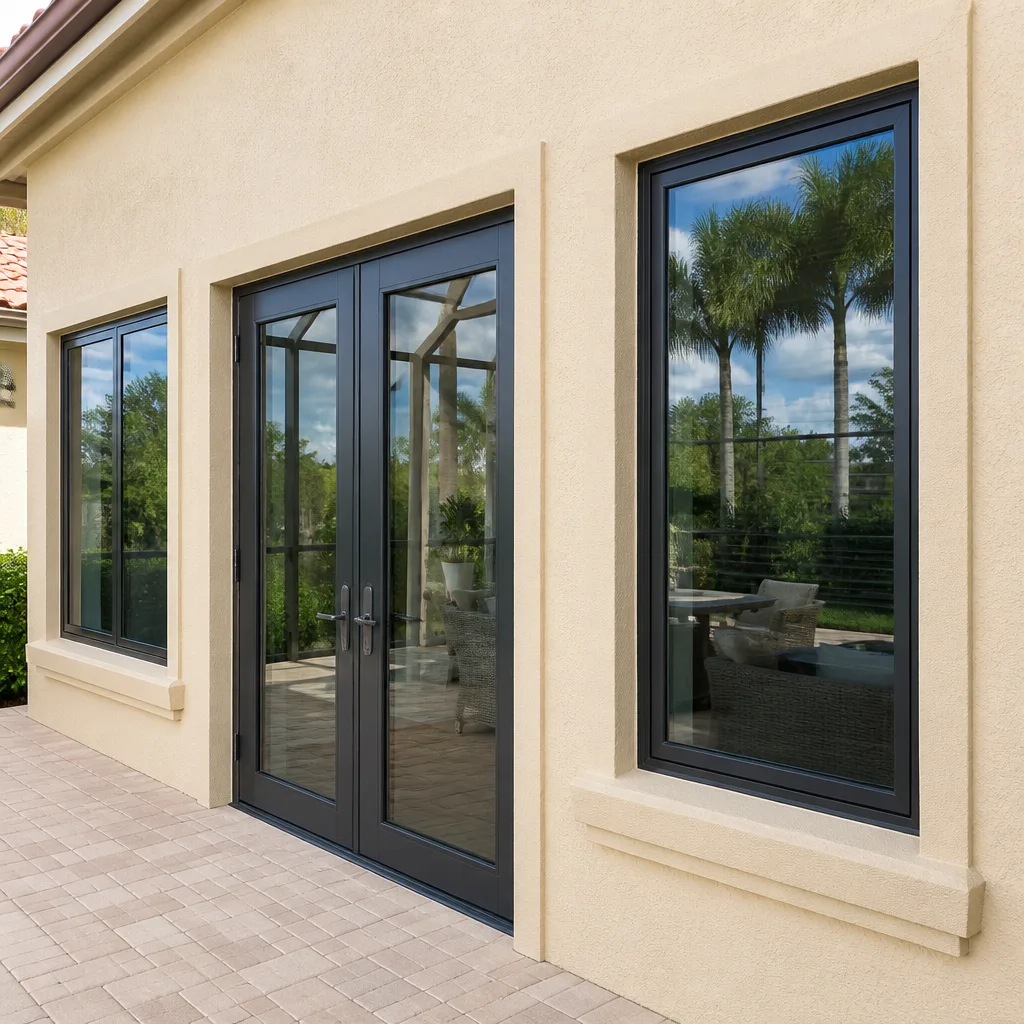 After
AfterSeasonal Windows & Doors Care for Fort Myers: Year-Round Homeowner’s Guide
Here’s what most homeowners don’t realize until it’s too late: in Fort Myers, your windows and doors face more stress in a single afternoon thunderstorm than a Chicago window faces all winter. Salt-laced air, 90% humidity, UV indexes that hit 11+ for months straight, and the annual hurricane churn from June through November mean seasonal care here isn’t about curb appeal. It’s about structural defense. This guide walks you through a month-by-month action plan built around Southwest Florida’s actual weather calendar, not a generic four-season template that means nothing below the frost line. For more guides & resources on protecting your home, explore our blog. By the time you finish reading, you’ll know exactly what to inspect, when to inspect it, and which tasks genuinely extend the life of your windows and doors in Fort Myers.
Quick Answer
Seasonal window and door care in Fort Myers follows a two-season rhythm: a dry-season maintenance and replacement window from December through May, and a hurricane-season defense protocol from June through November. The single most important habit is a full hardware and seal inspection every April, before storm season and before contractor schedules fill up. Consistent dry-season lubrication, seal checks, and salt-deposit removal will double or triple the service life of coastal windows and doors compared to homes that skip it.
Table of Contents
- Why Fort Myers Needs a Two-Season Care Model
- April-May: The Pre-Season Checklist That Saves Thousands
- June-November: In-Season Storm Protocol for Windows and Doors
- November: Post-Storm-Season Teardown and Inspection
- December-March: Why Dry Season Is Replacement Season in Fort Myers
- Year-Round UV and Salt Protection Habits
- Common Mistakes to Avoid
- When to Call a Professional
- Frequently Asked Questions
- The Bottom Line
Why Fort Myers Needs a Two-Season Care Model
The best time to discover a failed door seal or a corroded hinge isn’t during a named storm. It’s in April, when the weather is mild and contractors aren’t booked six weeks out. In Fort Myers, we don’t get the freeze-thaw cycles that crack northern window frames, and we don’t get the four-season rhythm that drives most national home-maintenance advice. What we get instead is a brutal annual cycle: intense dry-season UV exposure from December through May, followed by months of tropical humidity, wind-driven rain, and the ever-present hurricane threat from June through November.
That means the care tasks that actually protect your home are completely different depending on which half of the year you’re in. During the dry season, your focus should be on inspection, replacement, and proactive upgrades. During hurricane season, your focus shifts to defense, rapid response, and post-storm assessment.
Here’s what the Fort Myers climate does to windows and doors that most national guides miss entirely:
- Salt accumulation is constant. Even homes a mile or more inland get airborne salt from Gulf breezes. That salt works into tracks, hinges, and weatherstripping, causing corrosion that northern homes never experience.
- UV degradation is relentless. At 26.6° latitude, Fort Myers gets solar radiation levels that break down vinyl frames, rubber seals, and exterior caulk far faster than they would in, say, Ohio or Michigan.
- Humidity stresses seals from both sides. When outdoor humidity runs 85-95% day after day, pressure differentials across window seals increase, which is why failed seals and fogged double-pane glass are so common here.
- Storm season compresses what maintenance matters. You have roughly a 15-week window from mid-February to late May when conditions are genuinely comfortable for exterior work on windows and doors.
Understanding this rhythm is the foundation of everything else in this guide. Homeowners who treat Fort Myers like a four-season climate end up doing the wrong tasks at the wrong time, or skipping critical maintenance entirely because the national advice doesn’t line up with what they see outside their window.
April-May: The Pre-Season Checklist That Saves Thousands
In our experience running Winslow Windows & Doors in Fort Myers, the homeowners who call us in April for a pre-season inspection spend less money over the life of their windows and doors than the ones who wait until a storm watch is posted. It’s not close. April and May are the most important maintenance months of the entire year for one simple reason: you still have time to fix problems before hurricane season hits.
Here’s the step-by-step pre-season checklist we recommend for every Fort Myers homeowner, whether you’re in McGregor, Fort Myers Shores, Gateway, or anywhere else in Lee County:
- Operate every window and door on the property. Open and close each one three times. If anything sticks, scrapes, or requires extra force, that’s a warning sign. Humidity-swollen wooden frames, corroded aluminum tracks, and worn rollers all announce themselves this way.
- Inspect weatherstripping on every exterior door. Run your hand along the top, sides, and bottom of each door. If you can feel a draft in April, imagine what a 60 mph wind-driven rain will do through that same gap in August.
- Check storm shutter hardware. If you have accordion shutters, colonial shutters, or bahama shutters, open and close them completely. Look for rusted bolts, bent tracks, and any fastener that wiggles. Shutters that won’t deploy are worse than no shutters at all, because they fail exactly when you need them.
- Test every lock and latch. Wind pressure during a storm can force doors and windows open if locks don’t fully engage. Test each one. Lubricate anything that feels rough with a silicone-based spray, not WD-40, which leaves a residue that attracts dirt and salt.
- Look for hairline cracks in glass and caulk. Small cracks in window corners or along the glazing bead will grow under storm pressure. Stretched or cracked exterior caulk is a water intrusion point waiting to happen.
- Clear drainage channels and weep holes. Condensation inside window tracks has to go somewhere. If weep holes are clogged with dirt or old sealant, water pools inside the frame and accelerates corrosion.
What you’re doing in April and May is buying insurance. Every problem you catch and fix before June 1 costs a fraction of what it will cost to fix as an emergency during a storm watch, when every contractor in Fort Myers is booked solid and materials are hard to get.
For most homeowners, this inspection takes under two hours. The payoff is knowing your home’s exterior protection is actually ready for whatever the season throws at it. If you’re not comfortable doing the inspection yourself, call for a professional assessment. Ed’s name is on the door and on every job we do, and we’d rather inspect forty homes in April than take forty emergency calls in September.
June-November: In-Season Storm Protocol for Windows and Doors
When hurricane season arrives in Fort Myers, your care routine shifts from prevention to response. The key distinction most homeowners miss is the difference between a storm watch and a storm warning, and what each means for your windows and doors.
When a Storm Watch Is Posted (48-72 Hours Out)
A watch means conditions are possible. This is your preparation window. Here’s what to do:
- Deploy hurricane shutters if you have them. Don’t wait for a warning. Deploying early gives you time to deal with stuck hardware without racing the weather.
- Bring in anything that can become a projectile. Patio furniture, potted plants, garden tools, and decorative items all become window-breaching missiles in 100+ mph winds. If it can fly, it can break your glass.
- Photograph everything. Take clear photos of every window, door, and the surrounding areas. If you need to file an insurance claim later, before-and-after documentation is invaluable.
- Close and lock every window and door. Not just the ones facing the forecasted wind direction. Hurricanes shift, and pressure changes inside the house can blow open doors on the leeward side.
When a Storm Warning Is Posted (36 Hours or Less Out)
A warning means conditions are expected. Your preparation window is closing or closed. At this point:
- Finish deployment. If you didn’t deploy shutters during the watch, do it now if it’s safe to do so. If conditions have already deteriorated, prioritize personal safety over property protection.
- Interior doors matter. Close all interior doors and leave them closed. In a severe wind event, a breach in one window creates internal pressure that can push the roof off the walls. Closed interior doors compartmentalize that pressure.
- Stay away from glass. Even impact-rated windows and doors can be overwhelmed by debris in the strongest storms. Move to an interior room without windows during the worst of the conditions.
Immediately After the Storm Passes
The hours after a storm are when Fort Myers homeowners discover real damage. Here’s what to check first:
- Walk the perimeter and look at every window and door from the outside. You’re looking for cracked glass, bent frames, separated caulk, and debris impacts that may not be visible from inside.
- Look for water lines or staining inside. Wind-driven rain can force water through seals that look intact. Check for wet spots on sills, walls around doors, and under windows.
- Test that every door and window still opens and closes. Storm pressure can rack frames slightly out of square, which means doors that fit perfectly in May might not close properly after a near miss.
- Document everything with photos before you make any repairs. Insurance adjusters need to see the damage as it was, not after you’ve siliconed everything back together.
One more thing worth knowing: if a storm approaches and you discover your shutters are broken, your windows are compromised, or a door won’t seal, call us. A neighbor you can call at 2 a.m. and someone will actually answer. That’s not a slogan. It’s how Ed Winslow built this business in Fort Myers since 2011.
November: Post-Storm-Season Teardown and Inspection
Once hurricane season officially ends on November 30, the most productive care task in Fort Myers is a thorough post-season inspection. The goal is to reset everything the season stressed, so small problems don’t become expensive failures during the dry season.
Here’s the November checklist we recommend for every homeowner, whether or not a storm actually hit your neighborhood:
- Remove and inspect storm shutters. Don’t leave shutters deployed through the dry season. They trap moisture against window frames, accelerate corrosion, and block the natural light you want during the cooler months. As you remove them, look for rust, bent hardware, and any bolt that doesn’t thread smoothly.
- Clean salt deposits from glass, tracks, and hardware. After a full hurricane season of salt-laced onshore winds, everything facing the Gulf side has been bathed in corrosive salt. A simple solution of warm water and mild dish soap, followed by a clean rinse, removes most deposits. For hardware, follow up with a silicone-based lubricant.
- Inspect for micro-cracks in glass and frames. The pressure cycling of a storm season can create hairline cracks that weren’t there in May. Look carefully at window corners, around door handles, and anywhere the frame meets the glass. Impact-rated glass from brands like PGT and CGI is engineered to take a hit, but even the best glass shows wear eventually.
- Reset locks, latches, and hinges that shifted under pressure. If a door doesn’t latch as cleanly as it did in May, or a window lock feels stiffer than it used to, the frame may have racked slightly. Some adjustments are simple homeowner tasks; others indicate a deeper problem worth professional evaluation.
- Check weatherstripping one more time. Storm-force winds compress and tear weatherstripping even on doors that held up fine. Replacing a worn door sweep or compression strip in November is the cheapest protection you’ll buy all year.
The payoff for November discipline is a home that’s genuinely ready for next year’s season. Skip it, and you’ll be the homeowner who discovers a stuck shutter track in April, when you’re trying to deploy for the first time since last November.
December-March: Why Dry Season Is Replacement Season in Fort Myers
If you’ve been thinking about replacing your windows or doors, the dry season from December through March is the window (no pun intended) you want to target-see our Windows & Doors Cost Breakdown: The Fort Myers Homeowner’s Reference for 2026 for budgeting guidance. This isn’t a marketing pitch. It’s about the physics of installation and the logistics of the Fort Myers contractor market.
Here’s why dry season makes sense for full window installation in Fort Myers:
- No storm risk mid-install. An in-progress window replacement creates temporary openings in your home’s envelope. If a June squall blows through while your old window is out and the new one isn’t in yet, you’ve got water intrusion risk. December through March, that risk drops to near zero.
- Shorter lead times on products and crews. In April and May, the pre-season rush hits. Every homeowner in Lee County suddenly remembers they need impact windows before June 1. If you’re shopping in December, January, or February, you’re ahead of that curve. Product lead times from manufacturers are shorter, scheduling is more flexible, and you’re not competing with storm-panic demand.
- Better conditions for installation work. Caulks, sealants, and adhesives cure best in lower humidity and moderate temperatures. The December-to-March window in Fort Myers gives installers consistent conditions to do their best work.
- You’re ready before the next season starts. January installation means your new impact windows in Fort Myers are fully settled, sealed, and inspected before the first June storm watch. January installation also means a full tax year to potentially claim any relevant energy-efficiency incentives.
The same logic applies to doors. A problematic French door or sliding patio door won’t get easier to replace when it’s 94 degrees with 90% humidity, and you absolutely don’t want to discover it’s failed in September when the wind is howling.
For homeowners considering a full window replacement in Fort Myers, our recommendation is to start the conversation in January. That gives you two to three months of lead time before the pre-season rush, which means better pricing, more product options, and no pressure to make a decision under a storm watch. Upfront pricing, no surprises on the invoice. That’s how we’ve done it since day one.
Year-Round UV and Salt Protection Habits
Fort Myers sits at a latitude where the sun is genuinely hostile to building materials. Average annual UV index here is among the highest in the continental United States, and the combination of intense sunlight and airborne salt from the Gulf creates a degradation environment that most window and door manufacturers don’t even test for. These habits matter year-round, but they’re especially important during the dry season when UV levels peak.
Interior Blinds and Shades: Not Just Decoration
Quality interior blinds or cellular shades dramatically reduce the UV radiation that hits window seals, frames, and the glass itself. Think of them as sunscreen for your windows. East- and south-facing windows in Fort Myers take the harshest exposure, and homes with unobstructed eastern exposure in places like San Carlos Park or Villas see noticeably faster seal deterioration than homes with protected exposures.
The habit that matters: keep blinds closed during peak sun hours on east-facing windows in the morning and south/west-facing windows in the afternoon. It costs nothing and can add years to the life of your windows.
Exterior Overhangs and Awnings: The Gold Standard
If you’re building or renovating in Fort Myers, exterior shading is the single most effective long-term protection for windows and doors. Awnings, trellises with vegetation, and architectural overhangs block UV before it ever reaches the glass. Homes with deep overhangs on south and west exposures consistently show less frame deterioration, less seal failure, and better interior comfort.
Salt: The Silent Corroder
The closer you are to the water, the more important this becomes. Homes in Fort Myers Beach, Bonita Springs, Naples, and any canal-front community get significantly more salt exposure than inland homes. The habit is simple: every quarter, wipe down exterior door hardware, window tracks, and any exposed metal components with a clean damp cloth. Every six months, apply a light silicone lubricant to hinges, tracks, and locks.
This quarterly rhythm works because it catches salt before it cements into corrosion. A two-minute wipe per door per quarter is infinitely cheaper than replacing corroded hardware, and it’s the kind of task that’s easy to skip precisely because it seems minor. It isn’t minor. Salt is patient, persistent, and destructive.
Common Mistakes to Avoid
- Waiting until a storm watch to check windows and doors. By the time a watch is posted, you’re in reaction mode. The professionals are booked, the materials are scarce, and your leverage is gone. April is inspection month for a reason.
- Using WD-40 on window tracks and door hinges. WD-40 is a penetrating solvent, not a lubricant. It strips away whatever lubrication exists and leaves a sticky residue that attracts dirt and salt. Use a dry silicone spray instead.
- Leaving hurricane shutters deployed year-round. Trapped moisture and salt accelerate corrosion dramatically, and UV exposure degrades the shutter components themselves. Deploy during the season, remove and inspect after.
- Ignoring east-facing windows. In Fort Myers, the morning sun on east-facing glass is brutal, and it happens when the air is still cool enough that thermal stress is maximized. East-facing windows often fail faster than west-facing ones, which surprises most homeowners.
- Skipping quarterly hardware lubrication. It takes five minutes per door, and it prevents the majority of the stuck latches, stiff hinges, and frozen locks we see in our repair calls.
- Assuming newer windows are maintenance-free. Even the highest-quality PGT or CGI impact products need hardware checks, seal inspections, and track cleaning. Impact-rated doesn’t mean inspection-exempt.
- Waiting until the dry season is half over to schedule replacement work. January and February are ideal for window replacement in Fort Myers. By March, you’re competing with pre-season demand. By April, you’re in the rush. The earlier you start, the better your options.
When to Call a Professional
Some tasks in this guide are genuinely DIY-friendly: cleaning salt deposits, lubricating hinges, checking weatherstripping, and documenting damage with photos are all reasonable homeowner tasks. But there are situations where calling a professional is the right financial decision. When you see glass cracks propagating across an impact window, a frame that’s visibly racked or separated at the corners, water stains appearing on interior walls or window sills after a storm, or a door that suddenly won’t latch no matter how you adjust it, something structural is wrong. These aren’t maintenance issues. They’re system failures that compromise your home’s ability to protect you during the next storm. Winslow Windows & Doors offers free estimates in Fort Myers. Call (239) 453-7751 and we’ll assess the situation honestly, even if the answer is that you don’t need us yet. Ed’s name is on the door and on every job we do.
Frequently Asked Questions
We recommend a full inspection twice a year: once in April before hurricane season begins, and once in November after the season ends. Homes within a mile of the Gulf or on canal-front lots should inspect quarterly, because salt accumulation accelerates degradation faster than inland homeowners usually expect. A professional inspection is different from a homeowner inspection and should be done every two to three years if you’re diligent about the seasonal checks, or annually if you’re not.
For a typical single-family home in Fort Myers, basic seasonal maintenance done properly costs $50 to $150 per year in materials: silicone lubricant, replacement weatherstripping, caulk, and cleaning supplies. That’s if you do the work yourself. Professional inspections and maintenance run more, but the cost of skipping maintenance is far higher when a failed seal or corroded track leads to a full replacement or storm damage. If you’re considering maintenance or repairs, call (239) 453-7751 for an exact quote. Estimates are free, and we offer $40 off any repair over $200.
Yes. Impact-rated products from brands like PGT, CGI, CWS, ES Windows, ECO Window Systems, and others are engineered to withstand extreme conditions, but they still have moving parts, weatherstripping, and finishes that wear. Hardware lubrication, track cleaning, and seal inspection are just as important for impact products as for standard windows. Most warranties from impact window manufacturers require reasonable maintenance as a condition of coverage.
December through March is the ideal replacement window in Fort Myers. The weather is dry, humidity is low, and contractor schedules are not yet consumed by pre-hurricane-season demand. Starting the conversation in January gives you the widest product selection and the most scheduling flexibility. By April, you’re competing with the rush of homeowners who waited until the last minute before hurricane season. If you’re considering replacement, call (239) 453-7751 to schedule a free estimate, and take advantage of our free second opinion on any written estimate.
After a storm passes, if you see cracked glass, a frame that’s separated at the corners, water staining on interior surfaces, or a door that won’t latch properly even after adjusting the hinges, those are professional-required signals. A qualified technician can assess whether the damage is cosmetic, repairable, or requires replacement. Winslow Windows & Doors offers free estimates throughout Fort Myers and Lee County, and every technician is background-checked and uniformed, so you know exactly who’s at your door before the truck pulls up.
Yes. Winslow Windows & Doors offers a permanent 10% discount for seniors and veterans on all services. This is not a limited-time promotion. It’s a standing commitment we’ve maintained since 2011. We also offer no trip charge inside our home county, $40 off any repair over $200, and free second opinions on written estimates. Call (239) 453-7751 to discuss your project and how these offers apply.
Further than most homeowners assume. Prevailing Gulf breezes carry salt particles several miles inland, and homes up to 5 to 8 miles from the coast experience measurable salt accumulation on exterior surfaces, especially during the wet season when onshore flow is stronger. Homes east of I-75 see less impact than those in Fort Myers Beach or along the Caloosahatchee, but the entire Fort Myers metro area gets more salt exposure than comparable non-coastal cities. Quarterly hardware cleaning is good practice anywhere in Lee County.
The Bottom Line
Seasonal window and door care in Fort Myers is a two-season discipline: maintain and prepare during the dry season, defend and recover during hurricane season. The homeowners who internalize this rhythm spend less on repairs, catch problems before they become emergencies, and enter every storm season with confidence instead of anxiety. April is your inspection month. November is your reset month. December through March is your replacement window. If you want a professional partner who treats your home like an investment rather than a job site, we’re the one down the road. Call (239) 453-7751 for a free estimate and experience the difference of working with an owner-operator who answers the phone.
Written by Ed Winslow, Owner at Winslow Windows & Doors, serving Fort Myers since 2011.
Six Reasons Homeowners Choose Winslow Windows & Doors
Impact systems engineered to design pressures up to +/-100, matched to your wind zone - your openings hold when the storm arrives.
Low-E insulated impact glass from our manufacturer lines commonly cuts monthly cooling bills 20-30%.
Laminated impact glass shuts out up to 40% of outside noise - traffic, neighbors, weather.
Monitoring services run $30-90 a month. Laminated impact glass resists forced entry around the clock, with no subscription.
Florida homeowners average around 25% savings on the windstorm portion of their policy after protecting every opening - some homes qualify for more.
A full impact package upgrades curb appeal, buyer confidence and appraised value in one project.